


The majority of recently identified emerging pathogens are of virus origin with substantial risk to public health. Often, the occurrence of emerging viruses is driven by intensifying human-animal interaction, thus posing challenges to combat them. Limited capabilities for early detection of emerging viruses are one of the gaps profoundly seen in developing countries, such as Indonesia. As a biodiverse-rich country and home to the most bat species in the world, Indonesia is considered a hotspot for pathogen spillover. With that hindsight, there is a necessity to improve laboratory capacity to detect emerging viruses. Serological or antibody detection is one of the tools to observe historical evidence of emerging viruses infection and evaluate herd immunity.
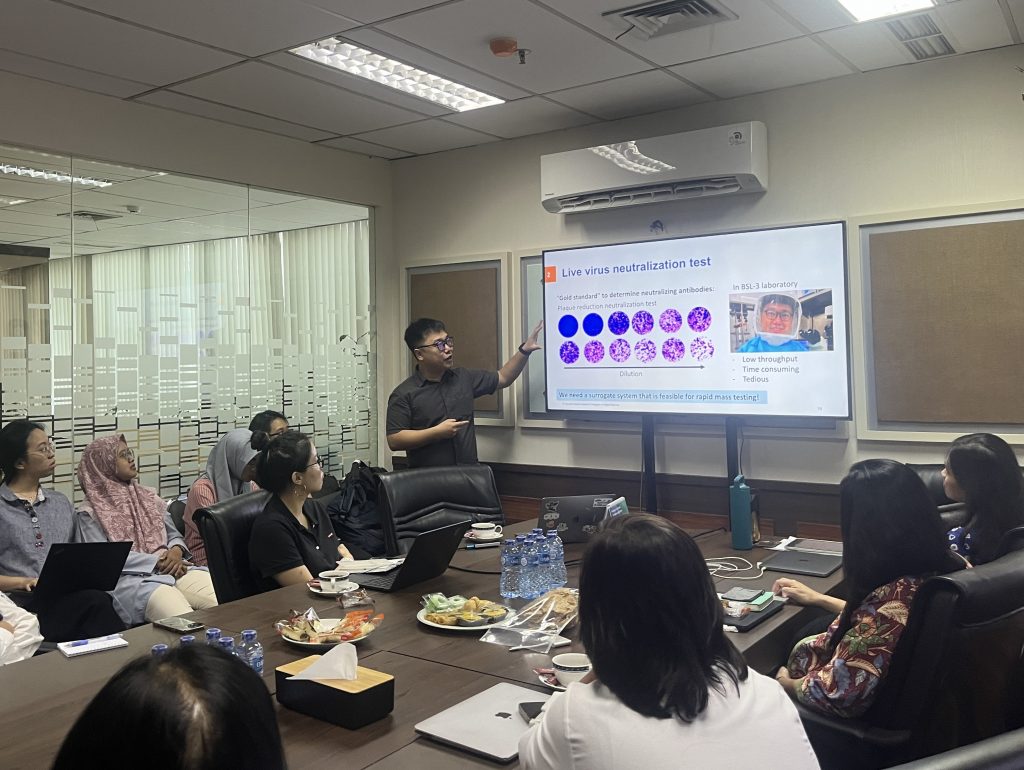
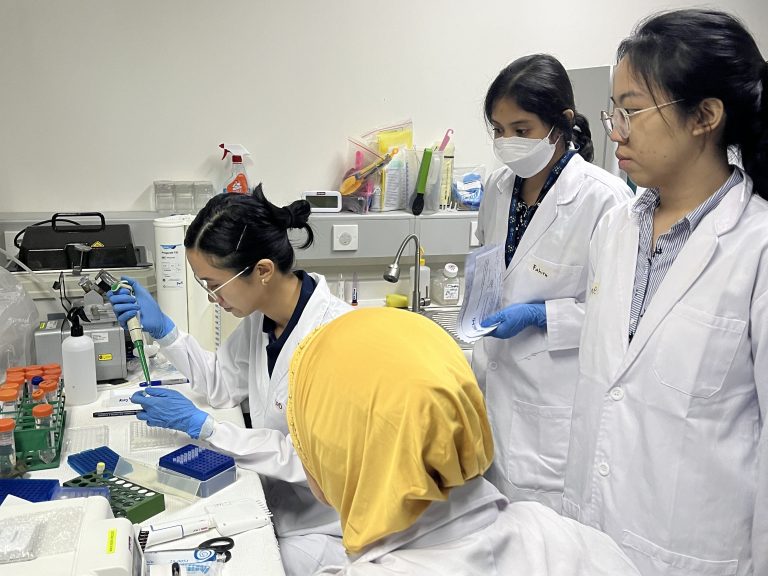
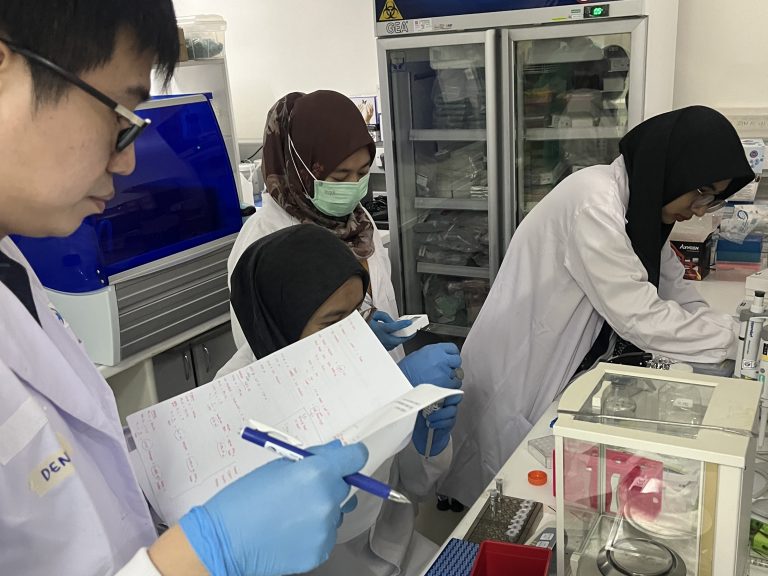
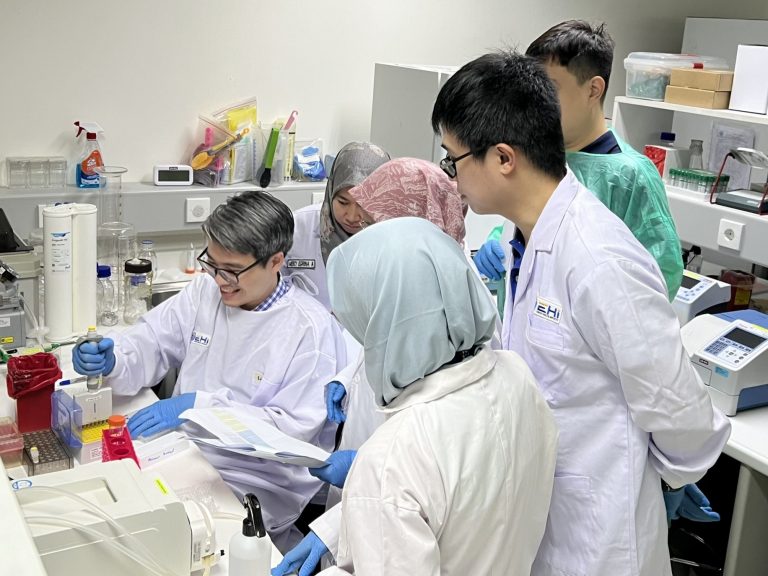
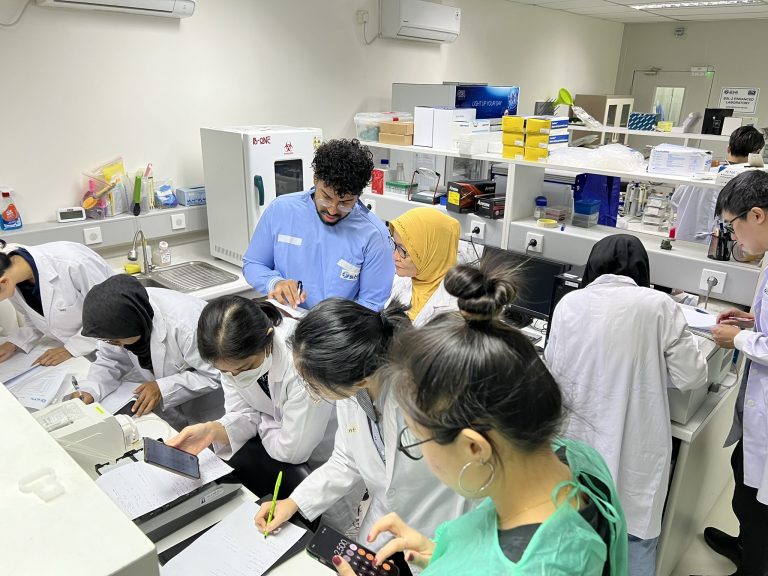
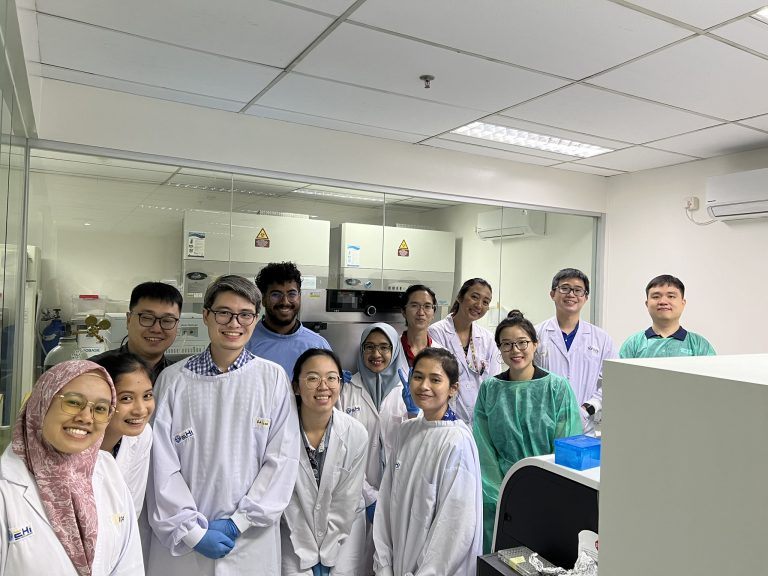
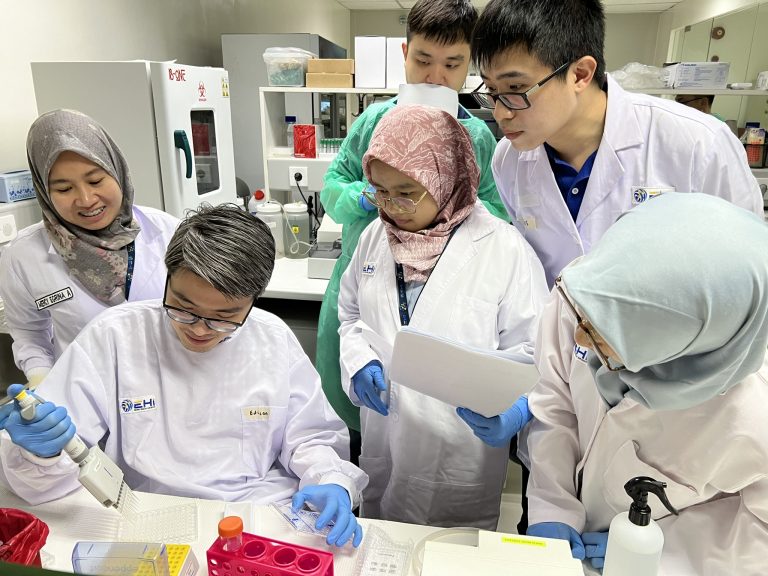
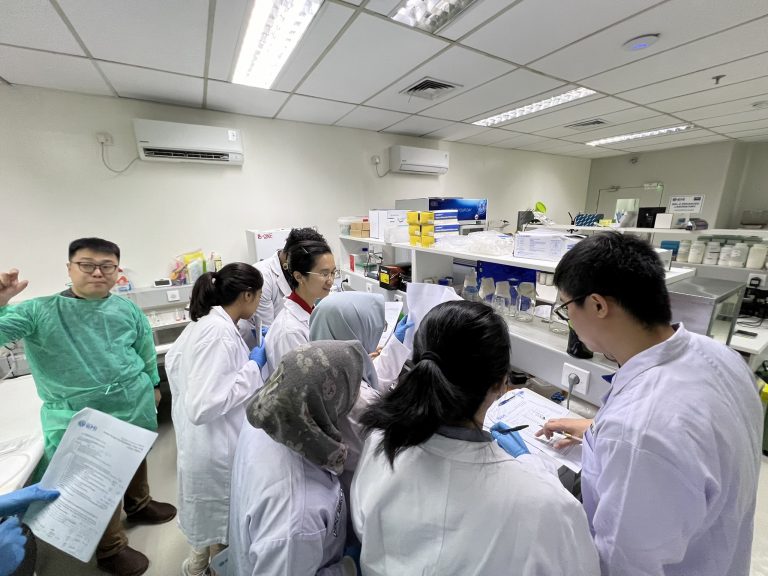
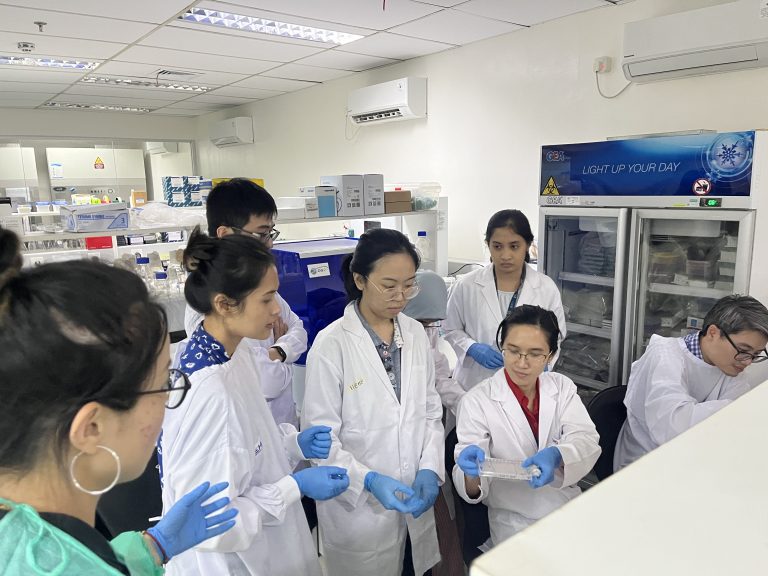
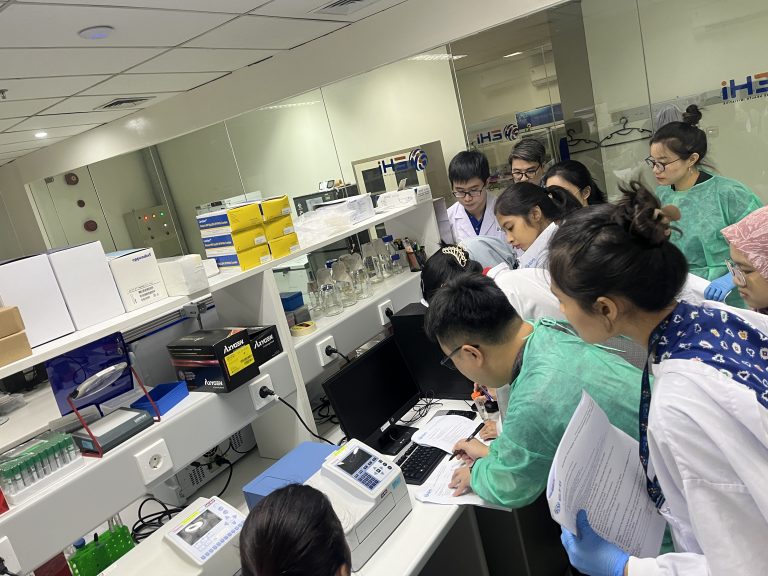
In collaboration with the National University of Singapore (NUS) and Duke-NUS Medical School, EHI organized a training session to establish a microsphere-based multiplex surrogate virus neutralization test (sVNT) targeting emerging viruses. Multiplex sVNT mimics host and virus interaction to assess neutralizing antibodies against multiple emerging viruses simultaneously, whilst requiring minute sample volume and a low biocontainment facility.
This high-throughput approach is crucial for the rapid evaluation of immune responses against newly identified pathogens, offering efficiency and versatility in research and detection. With this new advanced capacity available, EHI has set a new endeavor to trace circulating emerging viruses across Indonesia bridging research and knowledge within Indonesia and globally.






Copyright © EHI 2022. All rights reserved.