
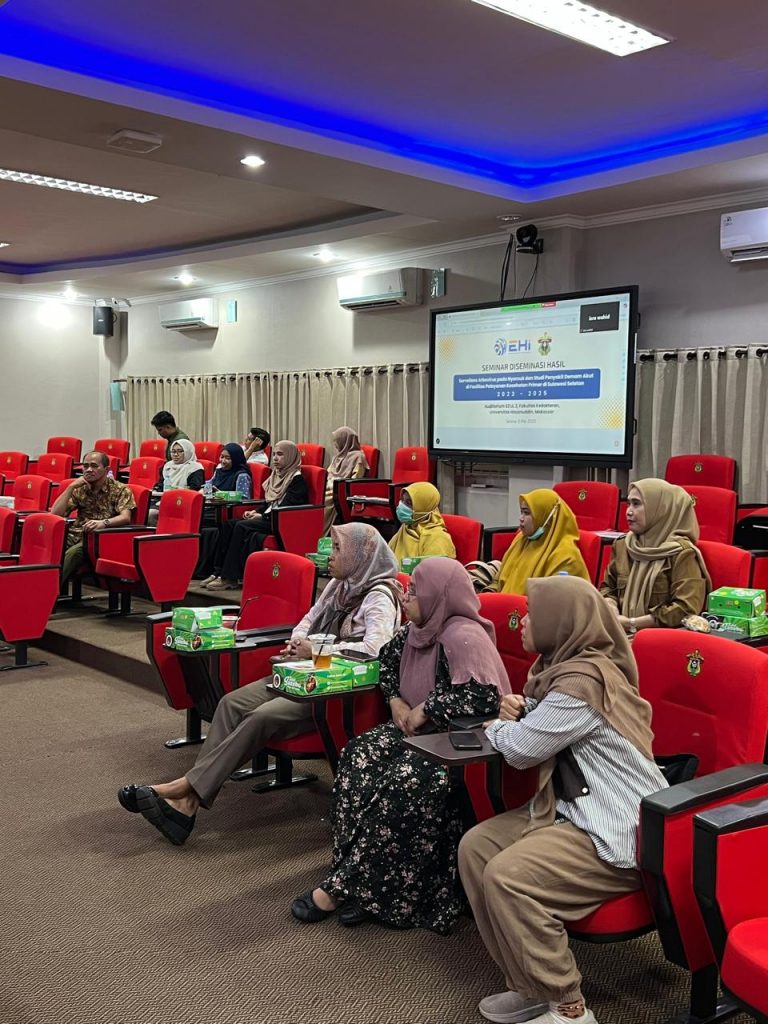
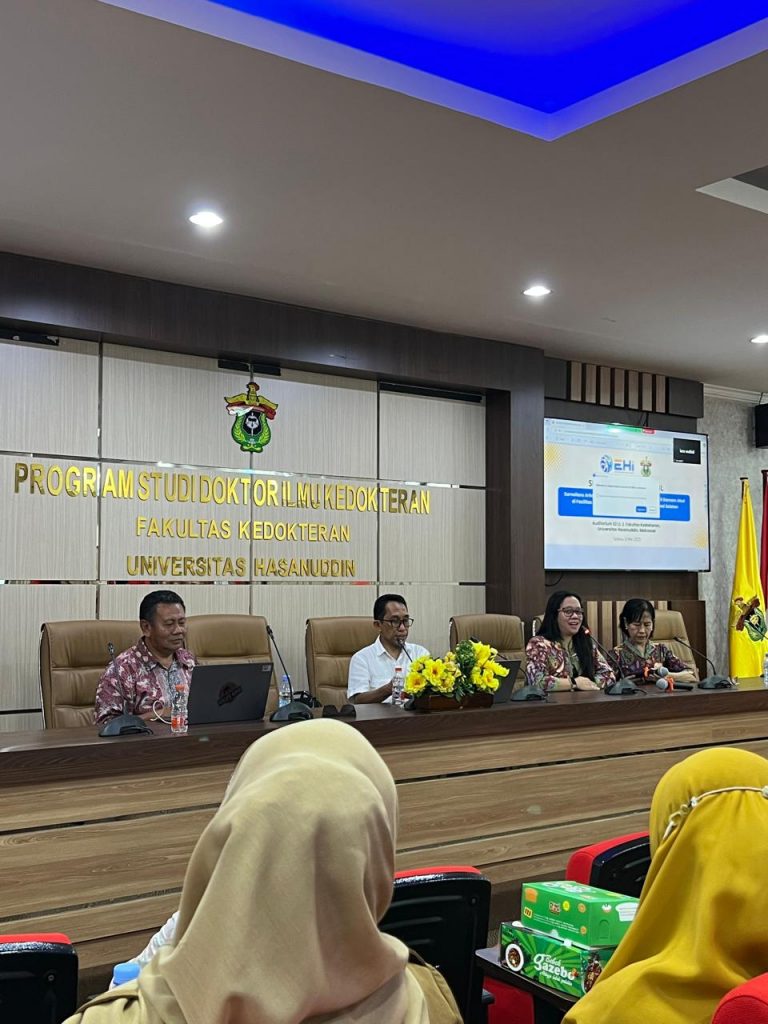
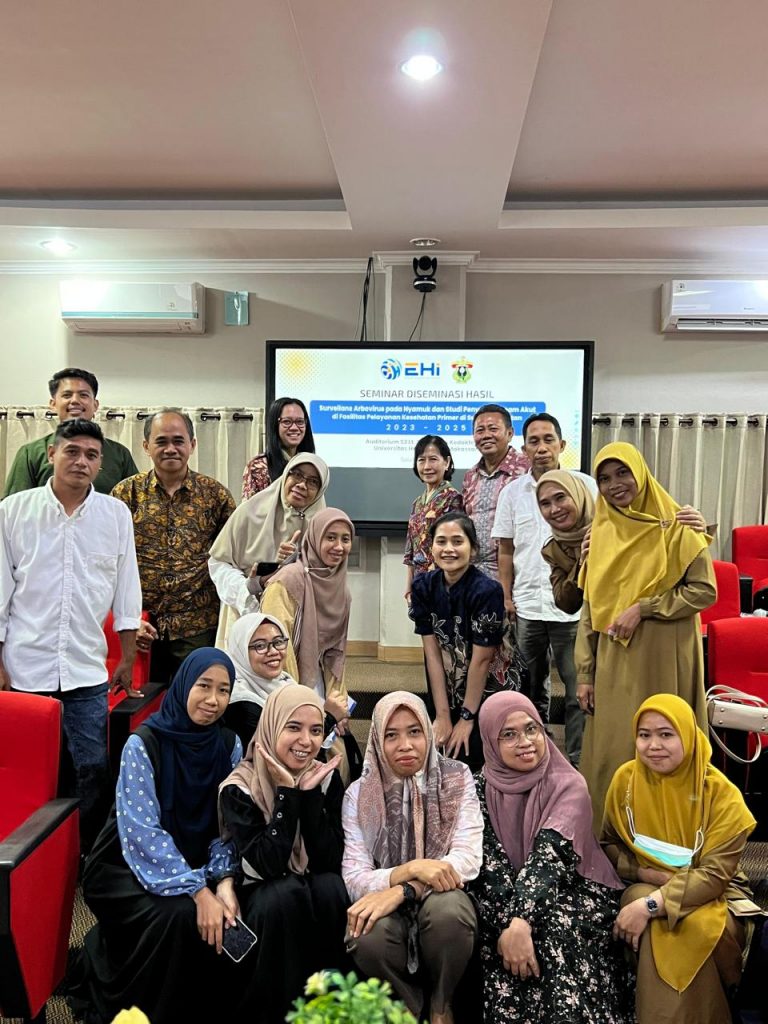
Mosquito-borne diseases like dengue, chikungunya, and Zika continue to pose major health risks in Indonesia, especially in South Sulawesi. Early detection through vector surveillance and monitoring of fever cases at primary health centers is key to preventing outbreaks. Studying both the mosquitoes that spread disease and the patients they infect is not only important for controlling outbreaks.
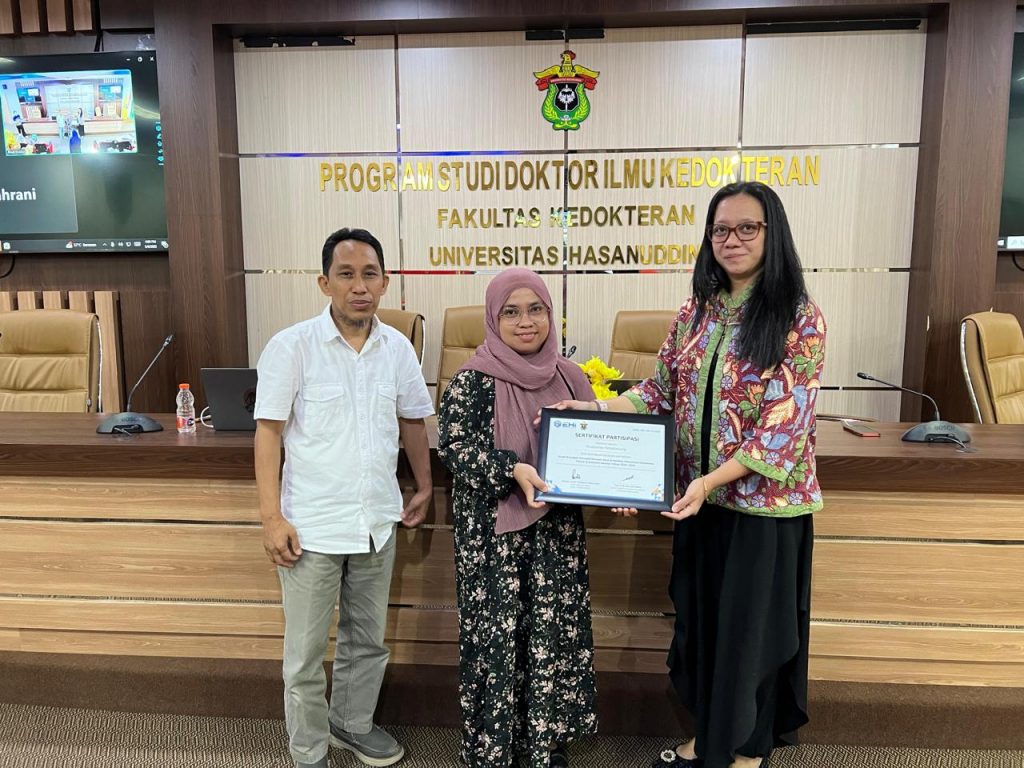
Since 2021, with the support of the U.S. CDC, EHI has worked with the Faculty of Medicine at Hasanuddin University to monitor arboviral diseases in the region. The team has collected over 358,000 mosquitoes and studied 285 patients with acute fever. These findings provide critical insights for outbreak control and evidence-based health policies. This seminar shared key findings, recognized the research team’s contributions, and discussed future steps to strengthen vector surveillance in the region.





Copyright © EHI 2022. All rights reserved.