A recent spleen study, published in PLOS Medicine and The New England Journal of Medicine in 2021, revealed that a large number of malaria parasites can hide inside the spleen. This finding raised an important scientific question: how can the spleen act as both a defender of the body and a hiding place for parasites? To investigate this paradox, researchers plan to use spatial transcriptomics, a cutting-edge technology that allows scientists to see which genes are active during the host’s interaction with the parasite.
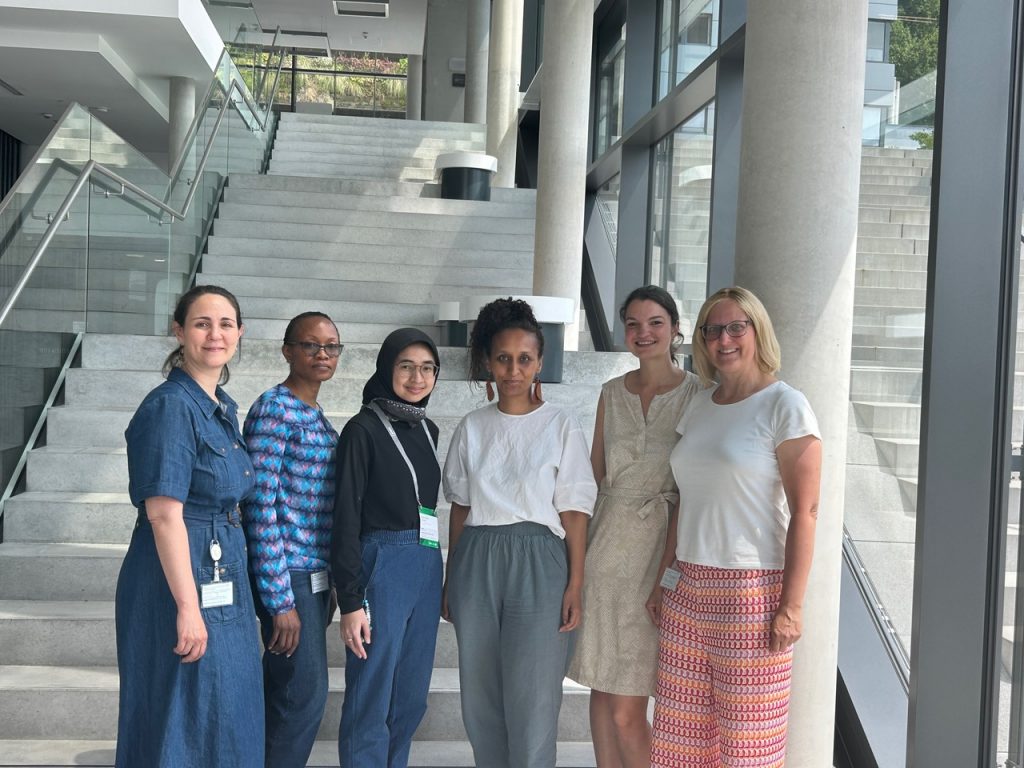
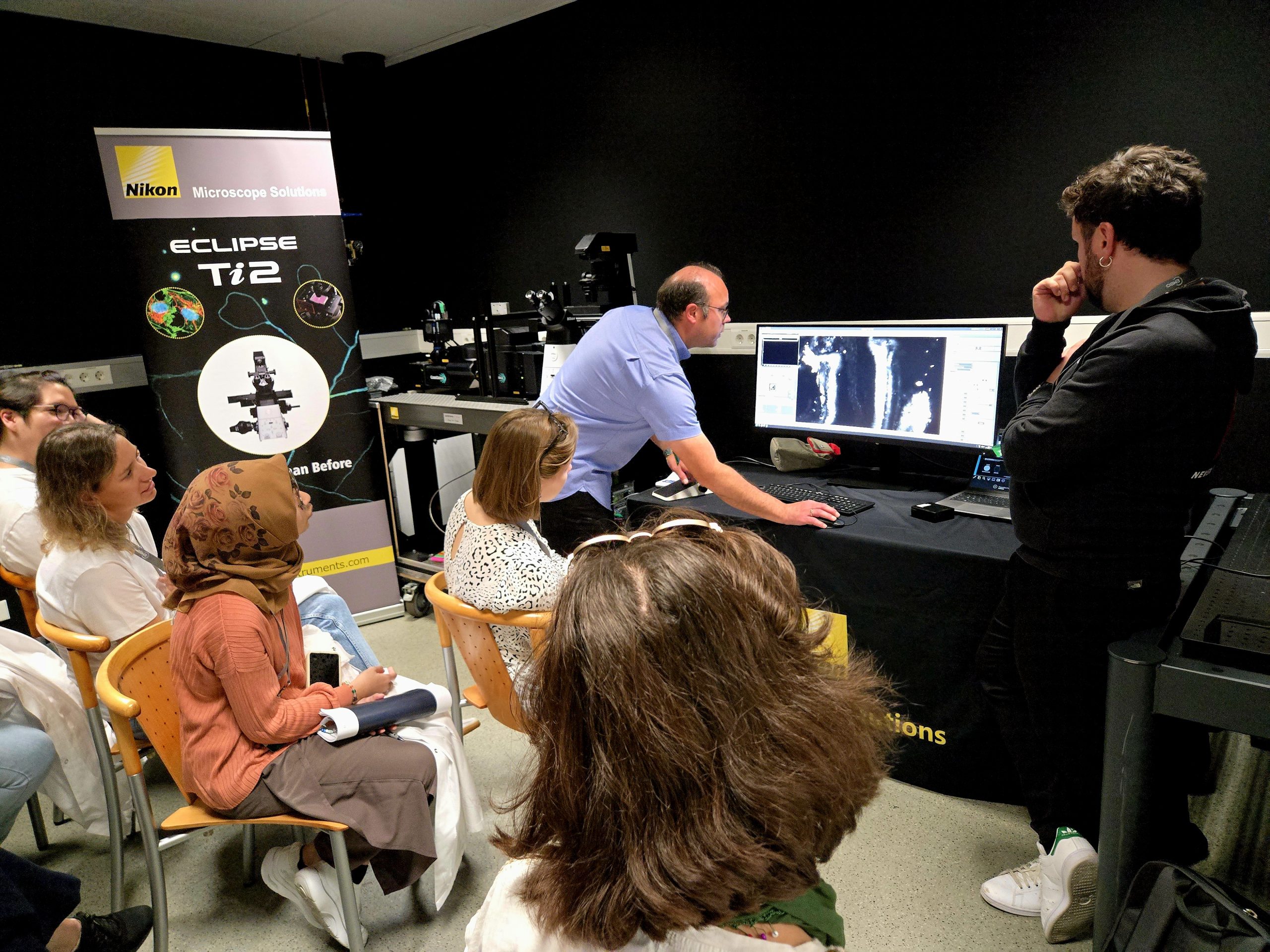
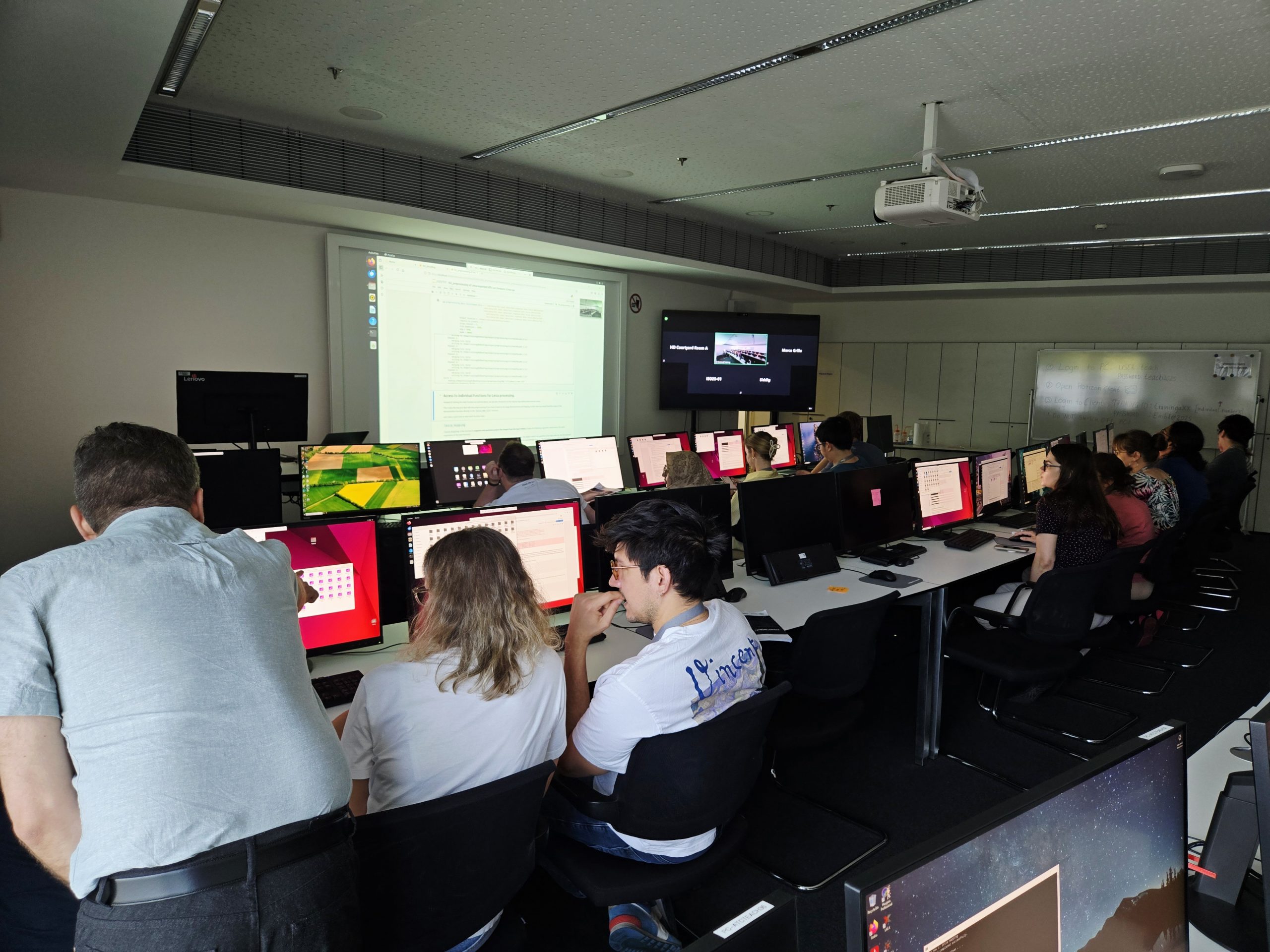
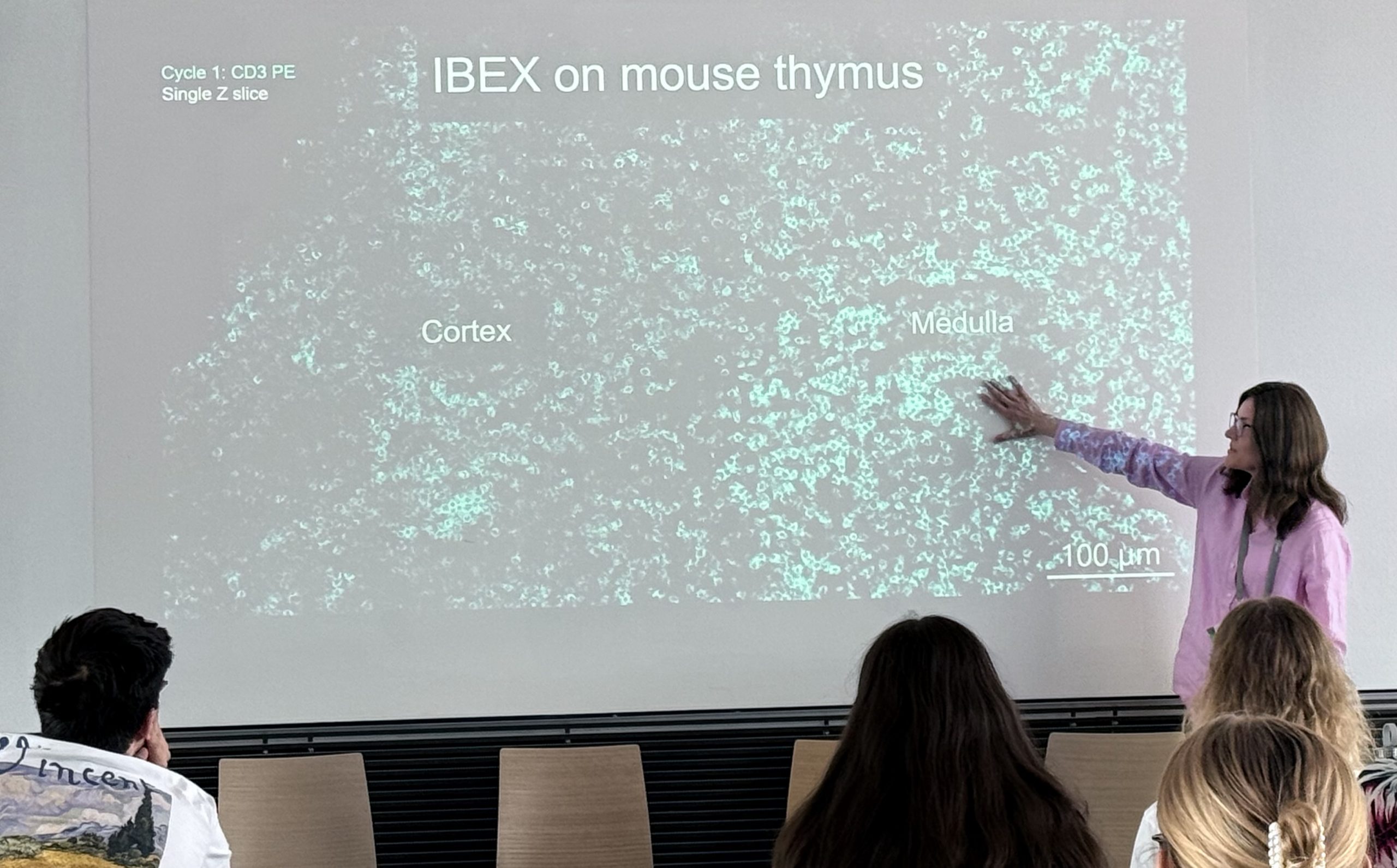
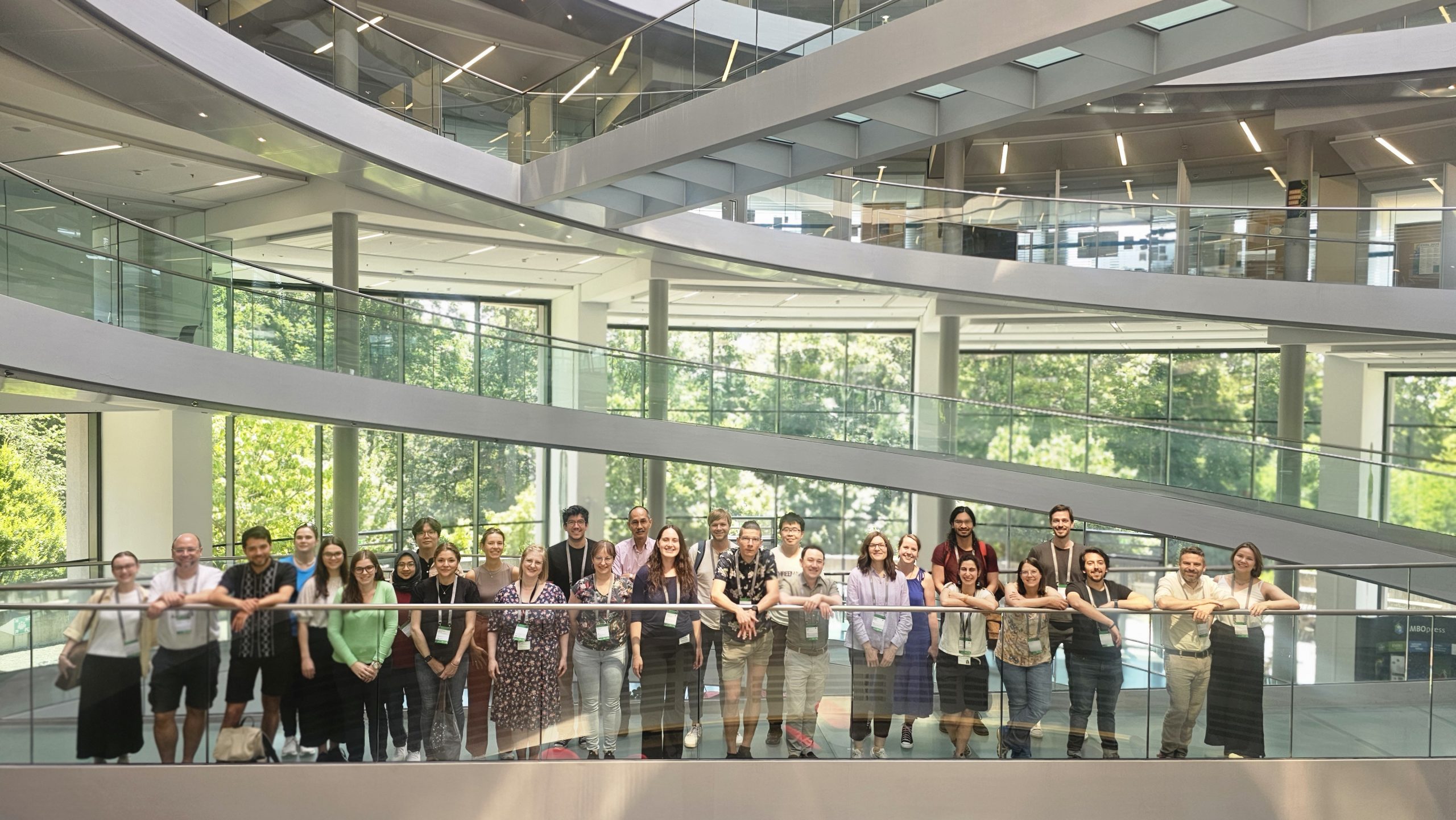
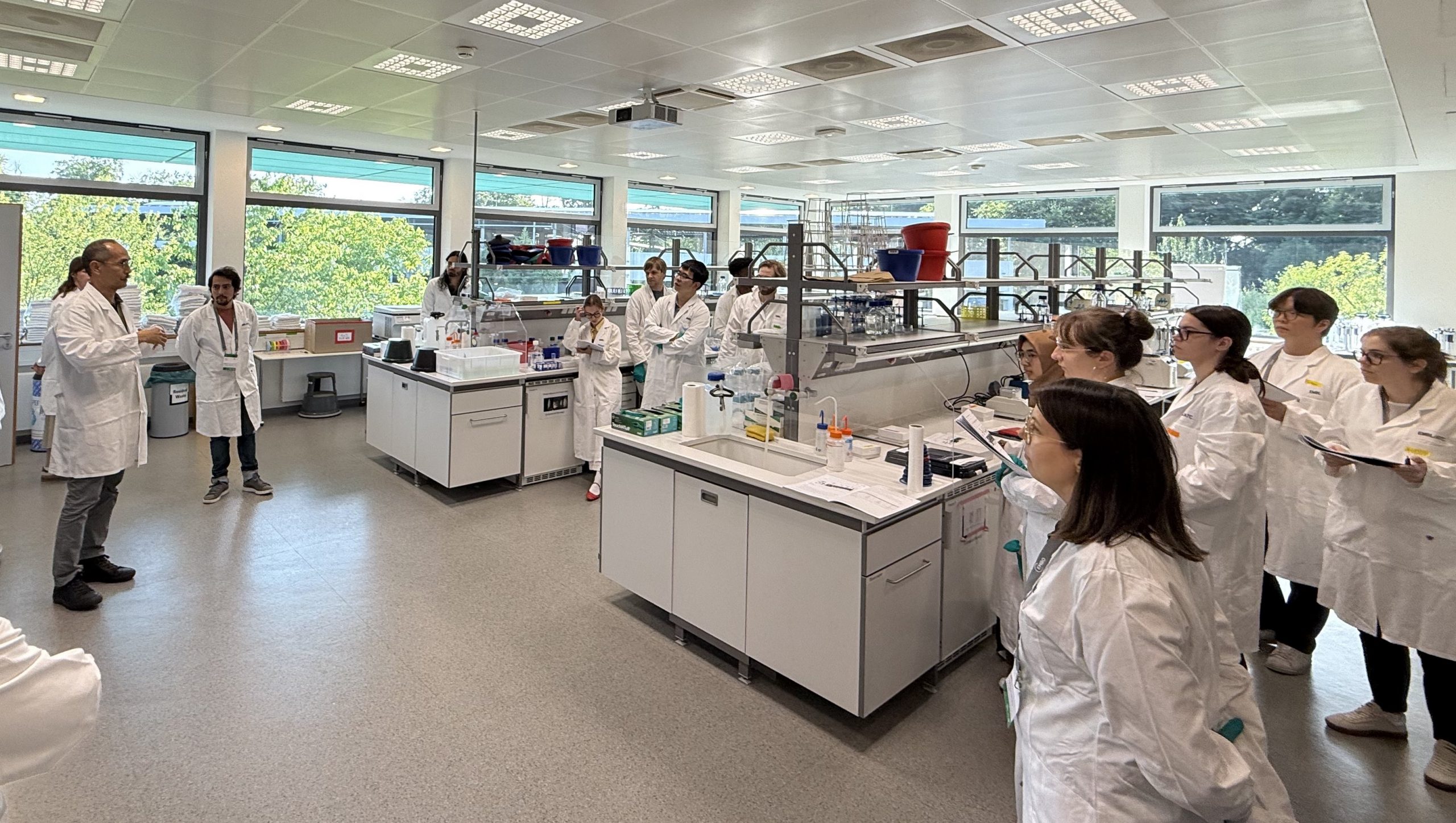
To support this effort, Aisah Amelia represented EHI to participate in a hands-on course designed to teach spatial omics techniques that could unlock new insights into malaria biology. This course provided valuable practical skills and theoretical knowledge to better understand how malaria parasites interact with the host cells in the spleen, supporting the next phase of malaria research. By equipping our researcher with imaging methodology knowledge, EHI believes that gaining a deep understanding of splenic malaria through imaging could contribute to achieving long-term elimination goals.