
In the westernmost city of Sabang, Aceh, limited access to healthcare services presents challenges in diagnosing and managing such infections early, which are crucial for preventing disease outbreaks. Notably, despite Aceh’s progress in eliminating malaria, new cases caused by a zoonotic malaria parasite. Along with this, infection with arboviruses is reported to have emerged in Sabang, signaling a need for stronger local diagnostic capabilities.
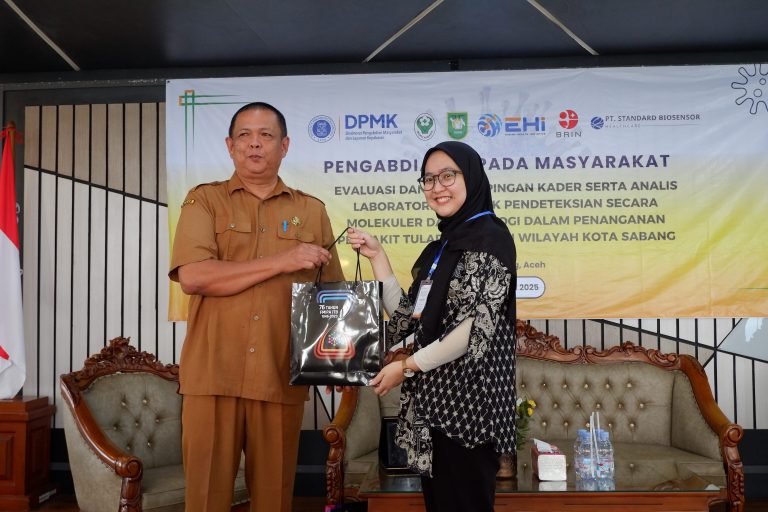
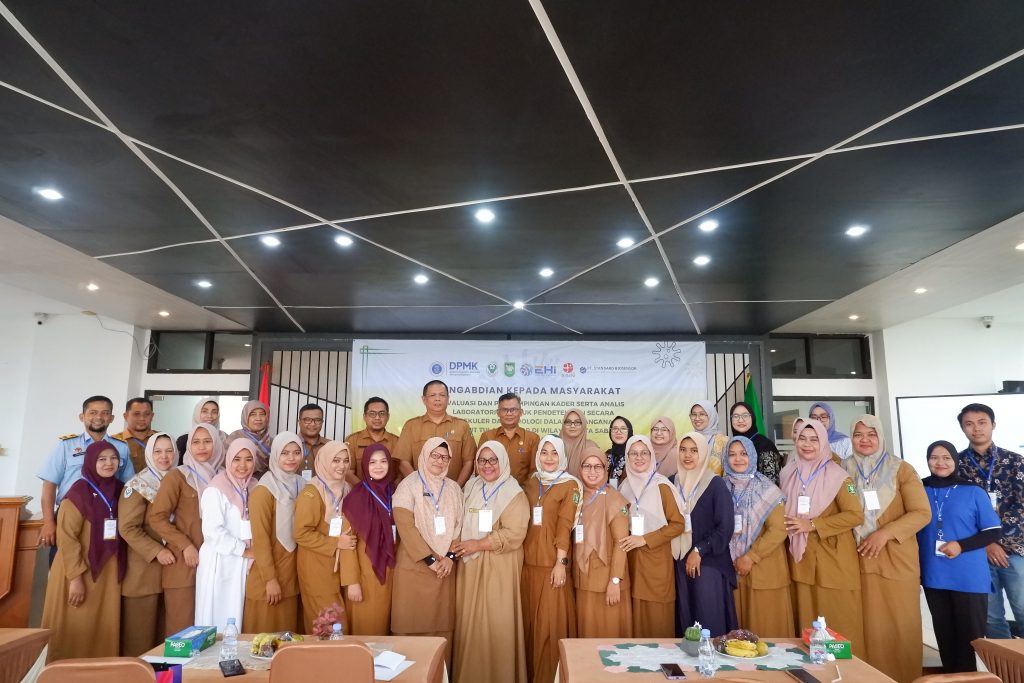
To address this, EHI organized a community outreach program alongside Bandung Institute of Technology, SD Biosensor, National Research and Innovation Agency, and Sabang’s public health office focused on equipping local health workers and lab analysts in Sabang with practical skills in detecting vector-borne diseases using both molecular and serological methods.
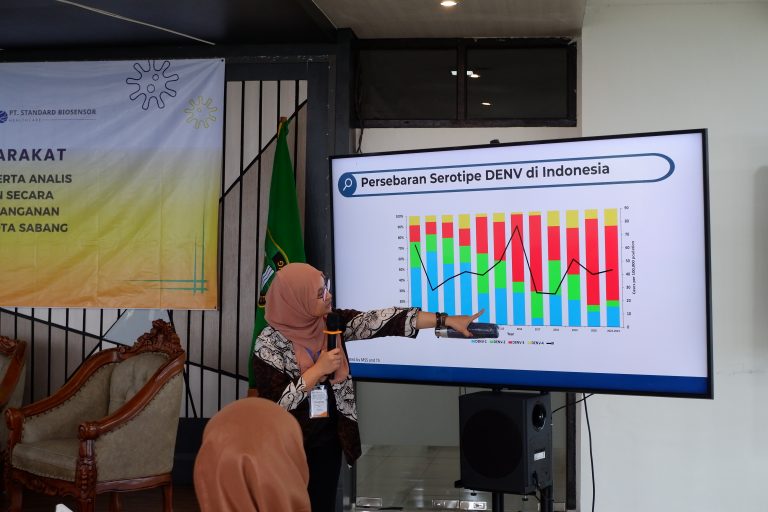
The program included a series of workshops and technical mentoring sessions using samples from patients with fever symptoms. Through this, health cadres and medical lab technologists were intensively trained through lectures, hands-on PCR and rapid diagnostic tests, and real-sample analysis. EHI believes that empowering frontline health workers in remote areas like Sabang is a vital step toward safeguarding Indonesia’s public health, especially in the face of shifting patterns in infectious disease threats.





Copyright © EHI 2022. All rights reserved.