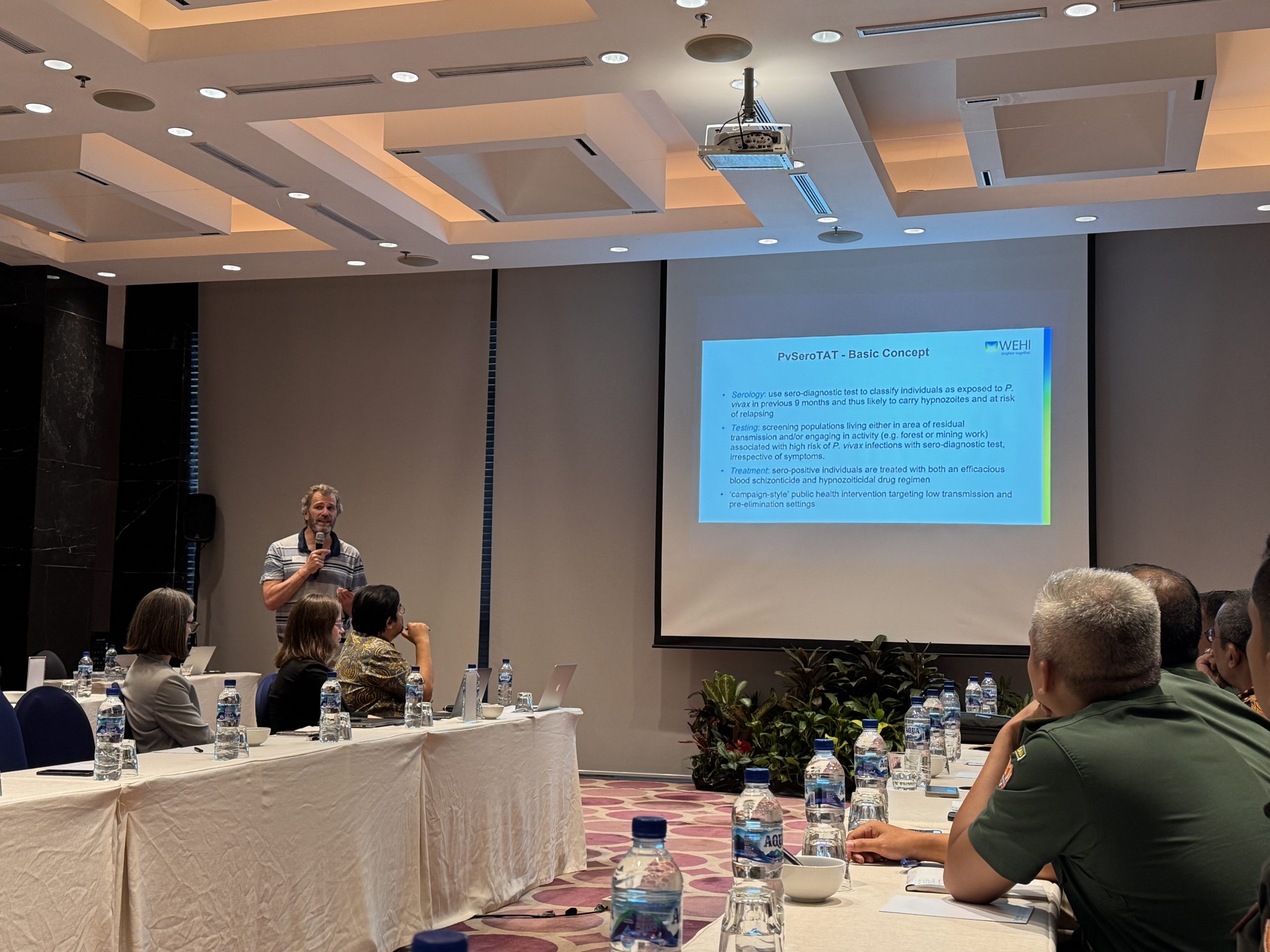
Indonesia has set an ambitious goal: eliminating malaria nationwide by 2030. At the Asia Pacific Leaders Malaria Alliance (APLMA) meeting in 2024, the government reaffirmed its commitment, highlighting significant progress so far. As of today, 85% of Indonesians live in malaria-free areas. Still, more than 400,000 cases are reported each year, with Plasmodium vivax (P. vivax) infections posing the toughest challenge. Detecting people who carry the parasite without showing symptoms remains a major hurdle, but a promising new approach, serological testing (PvSeroTaT), is gaining attention as a game-changer
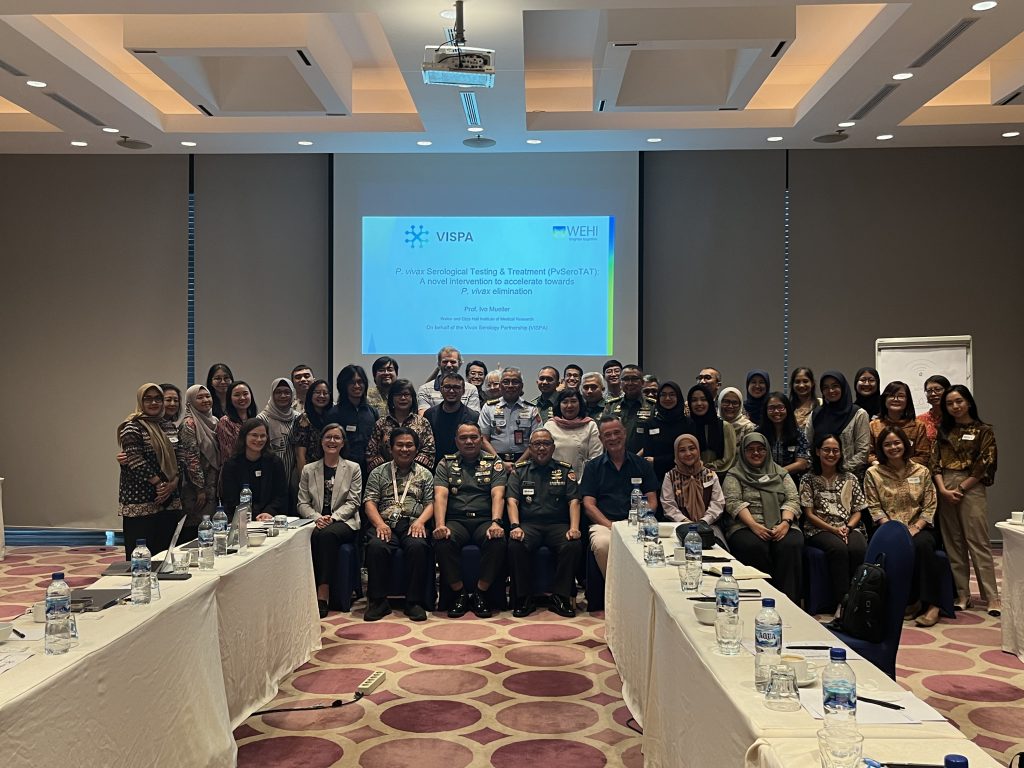
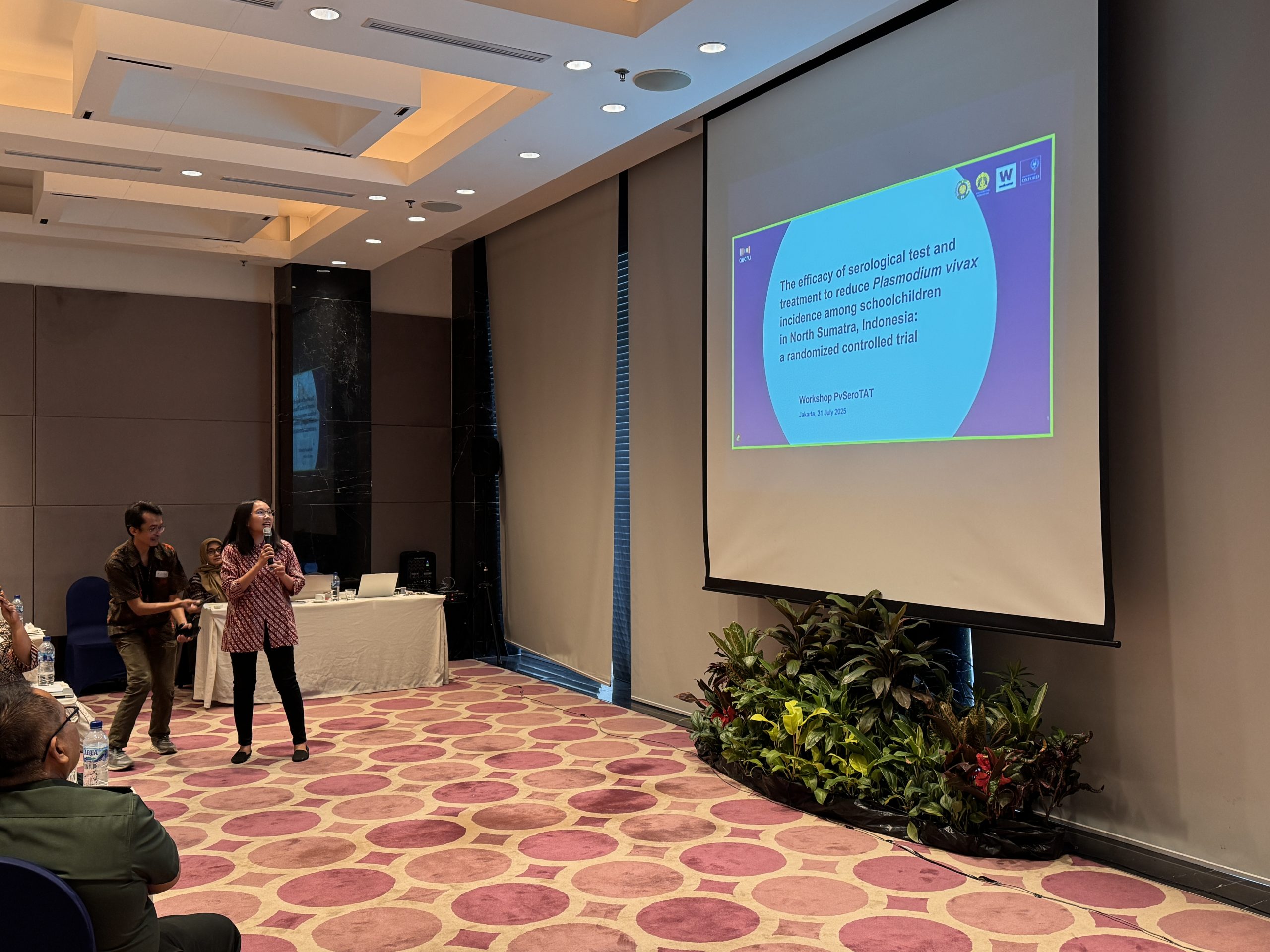
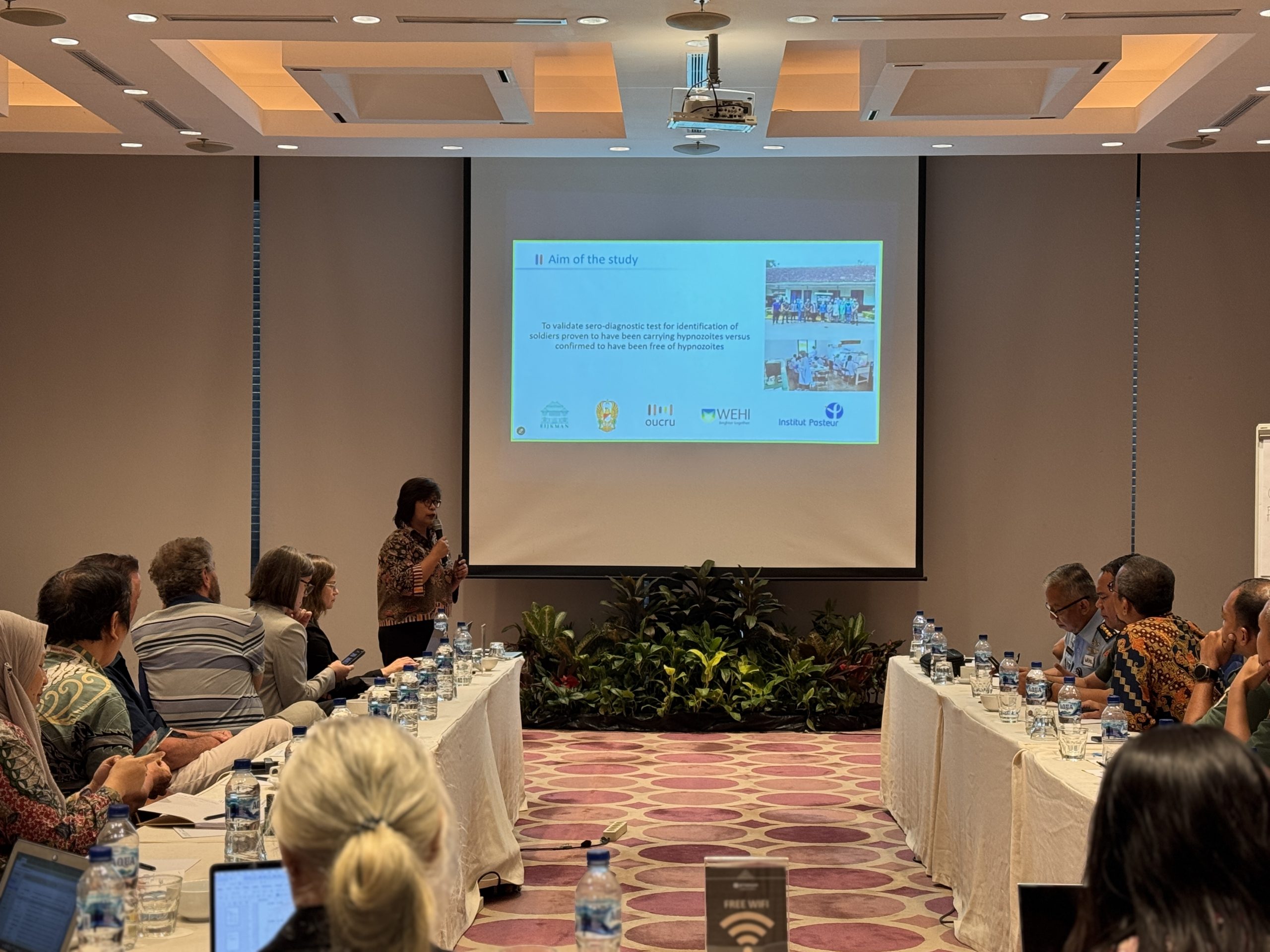
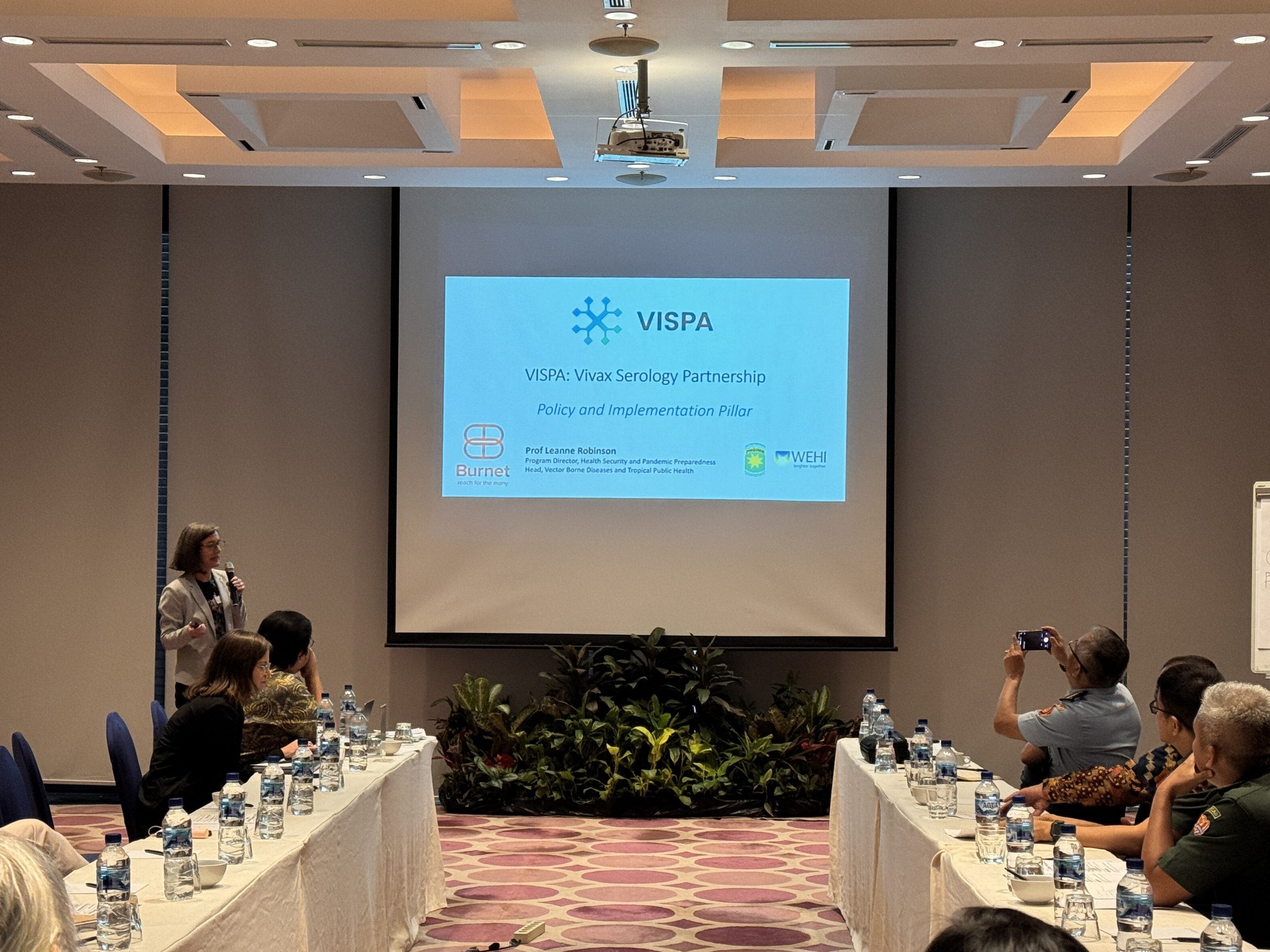
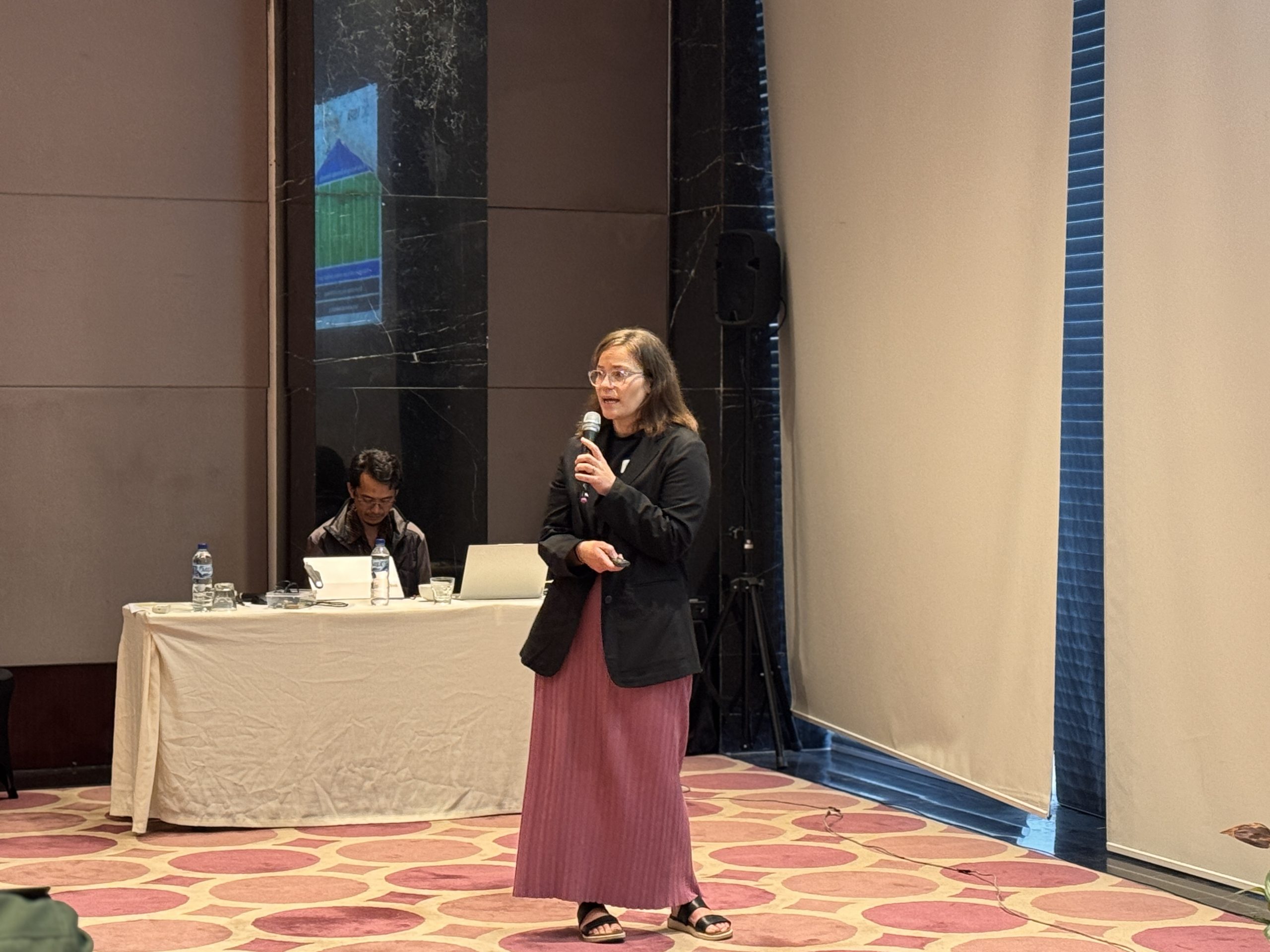
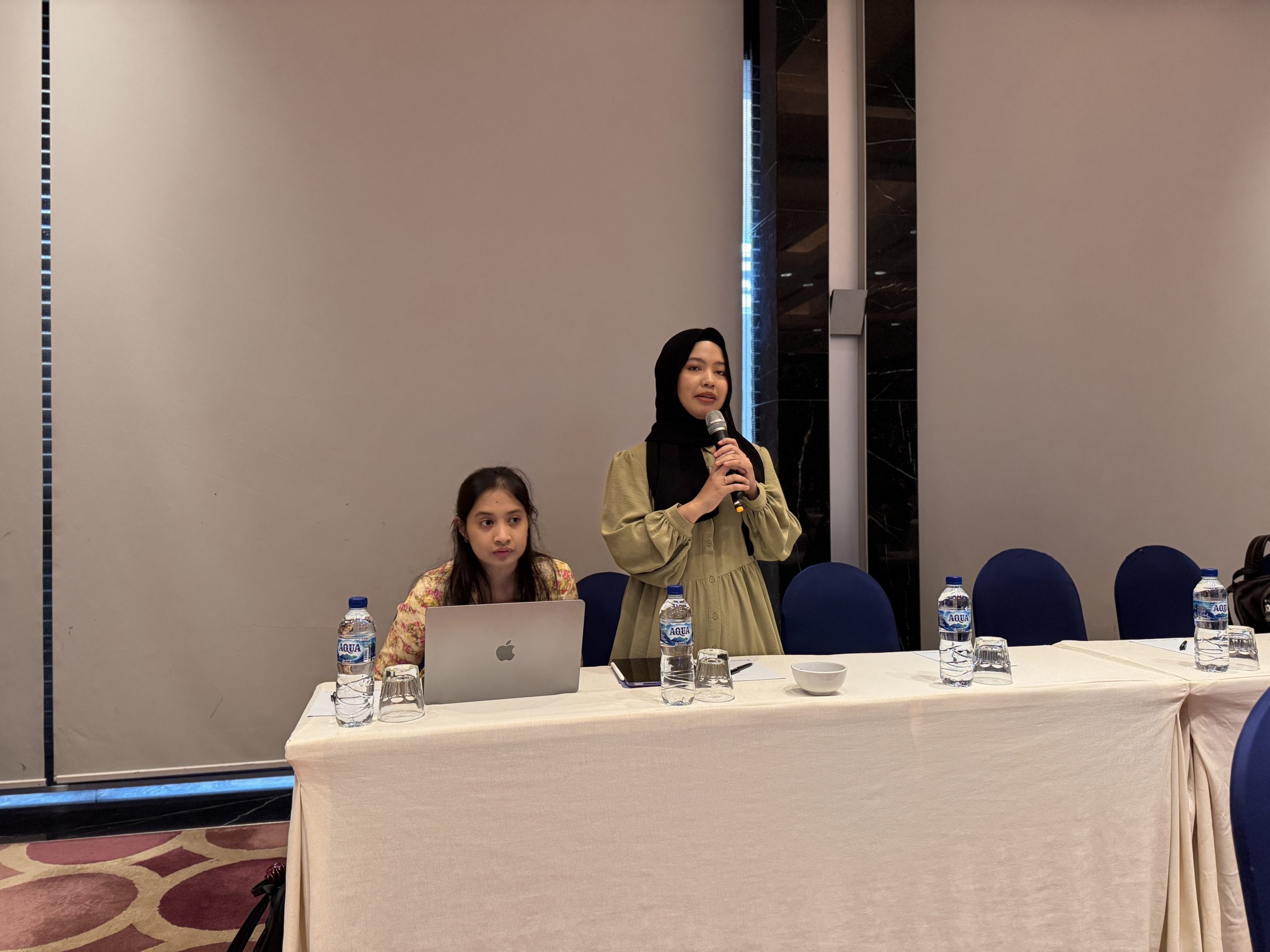
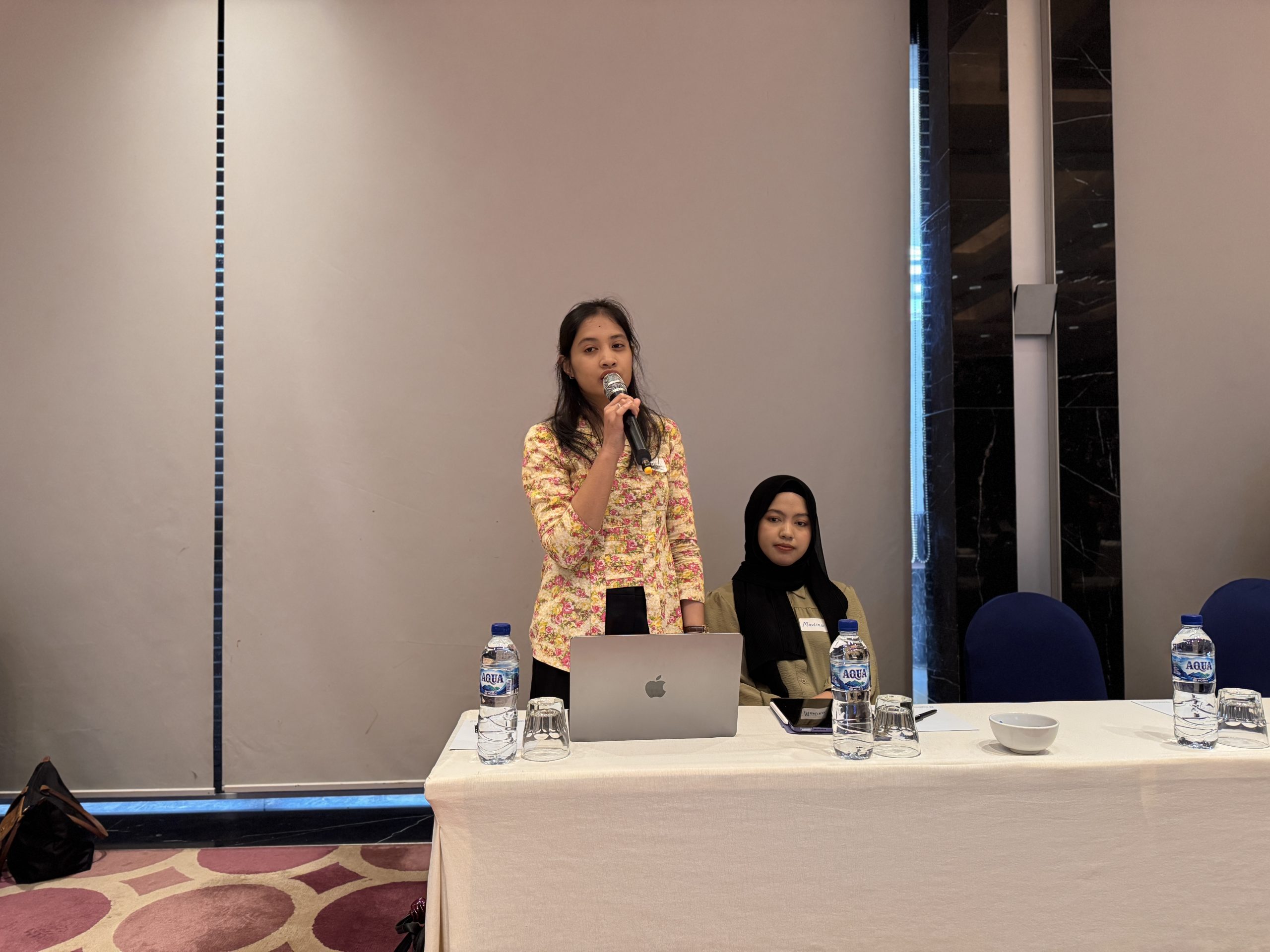
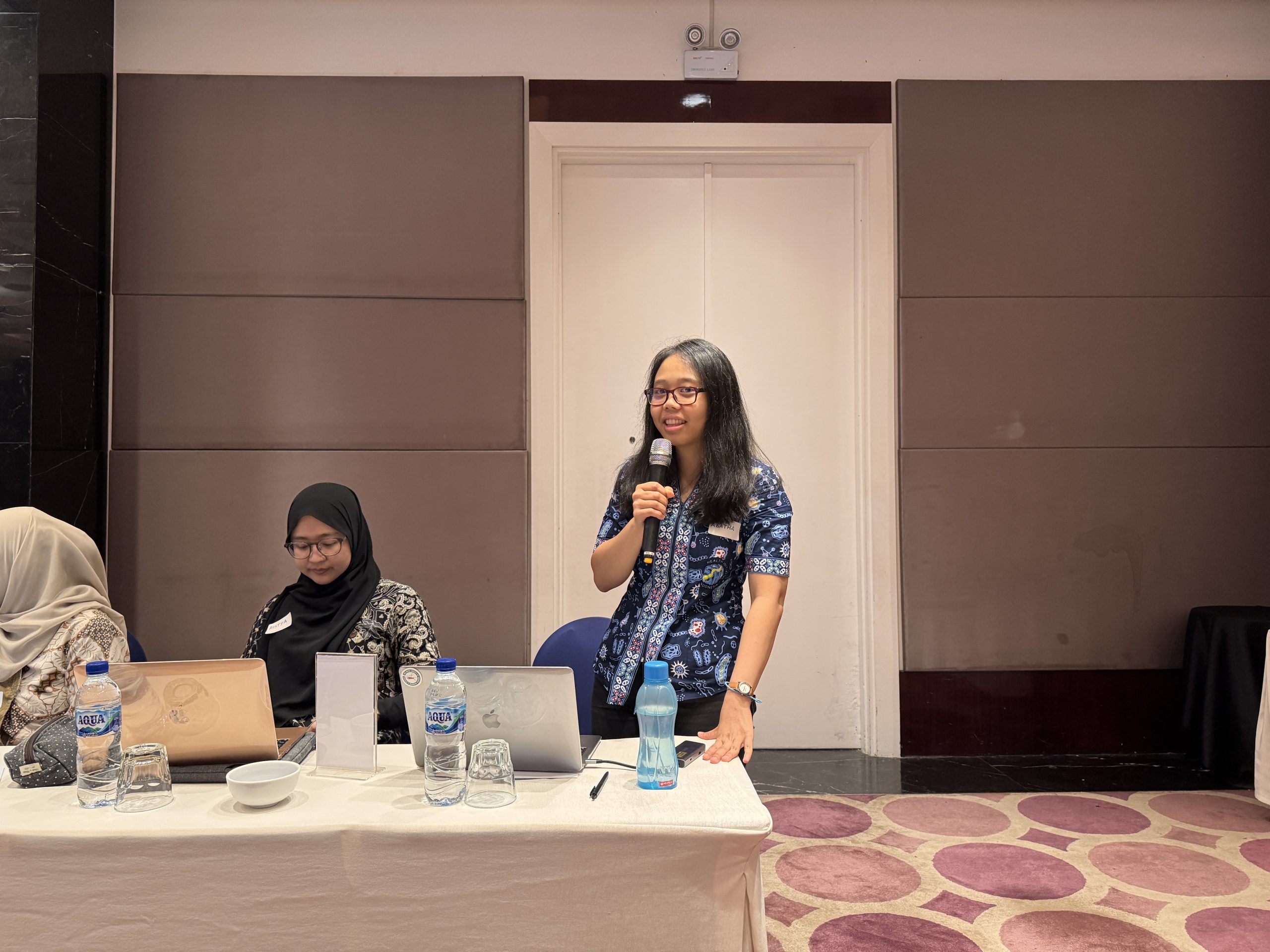
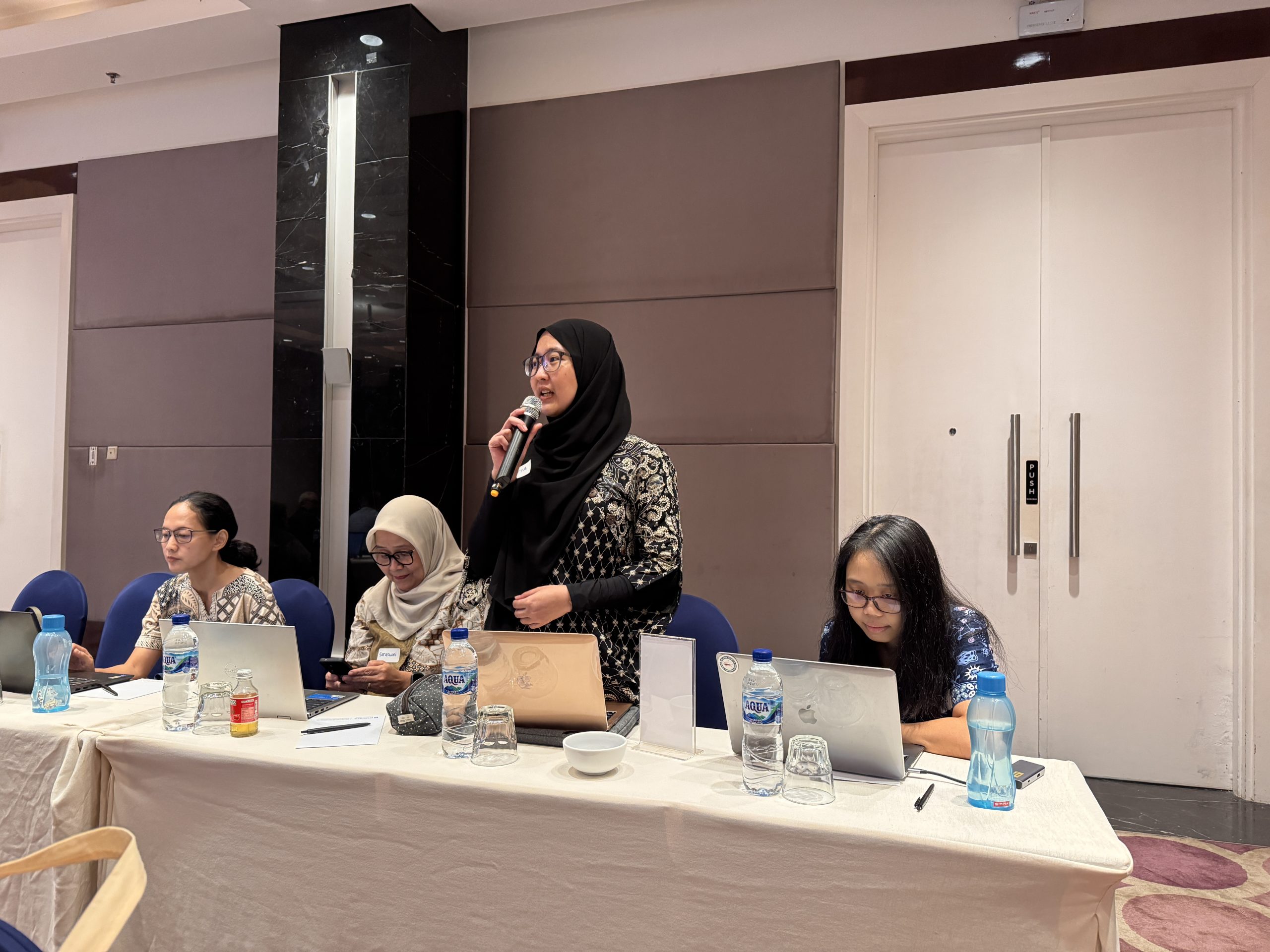
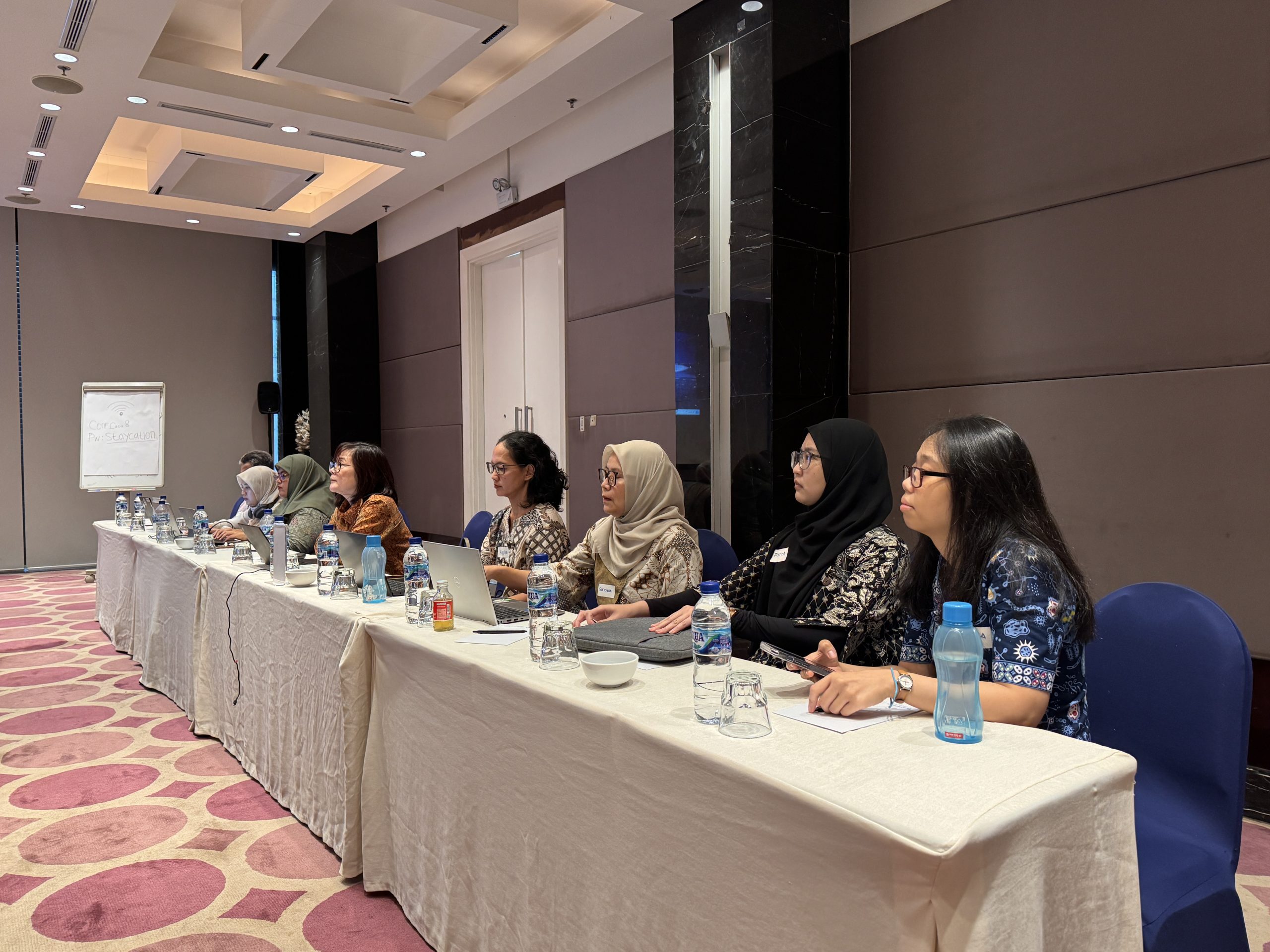
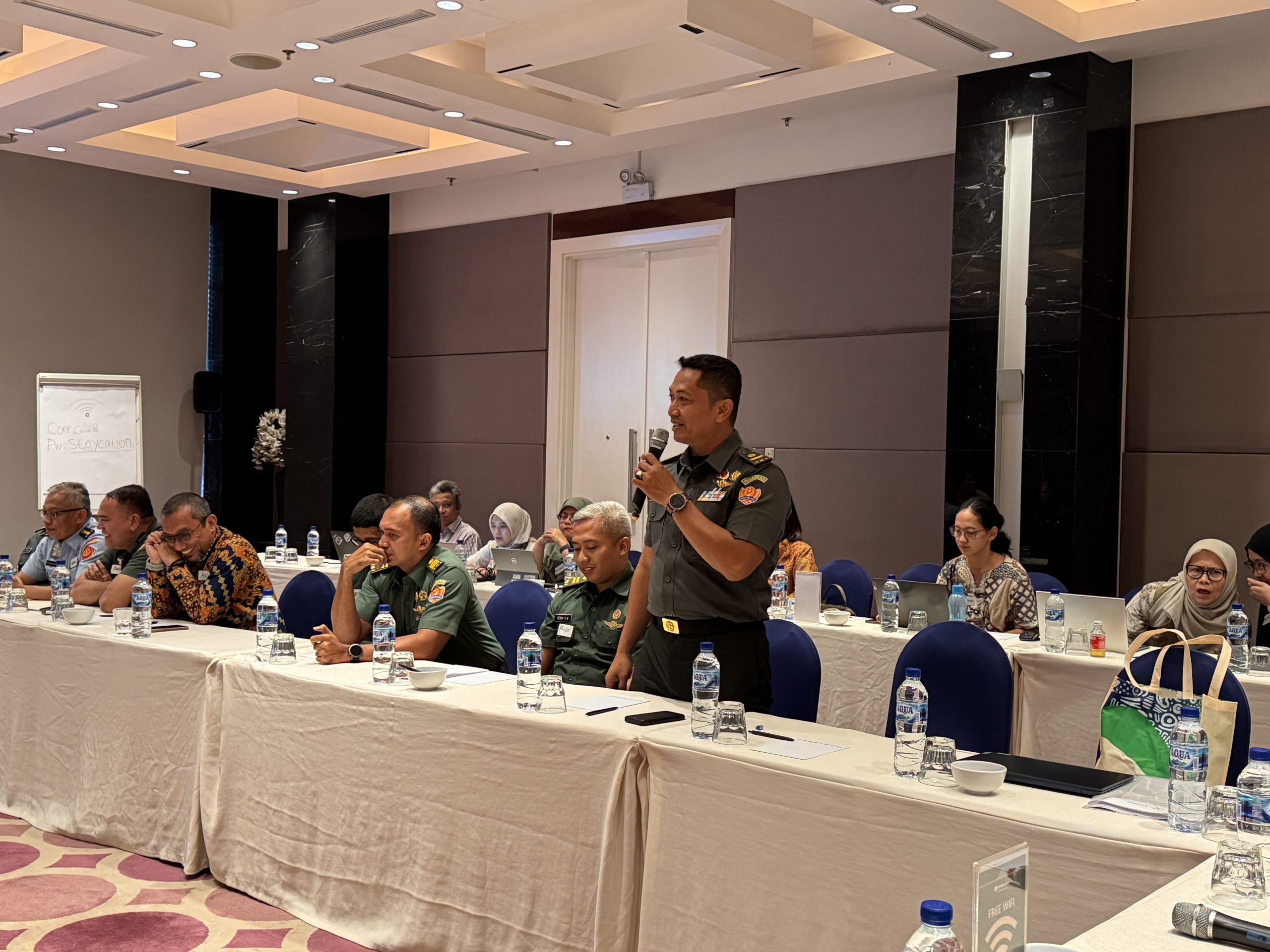
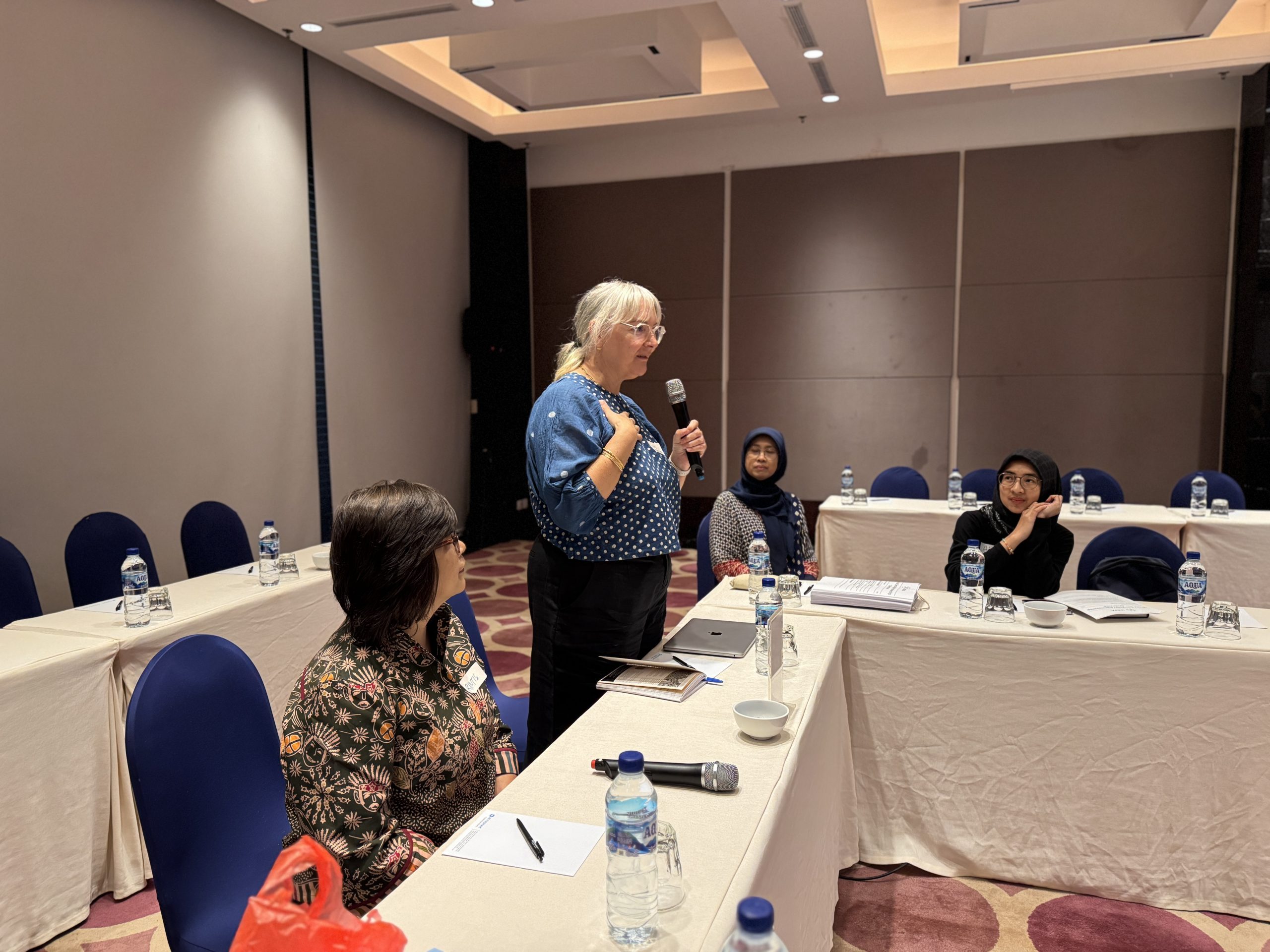
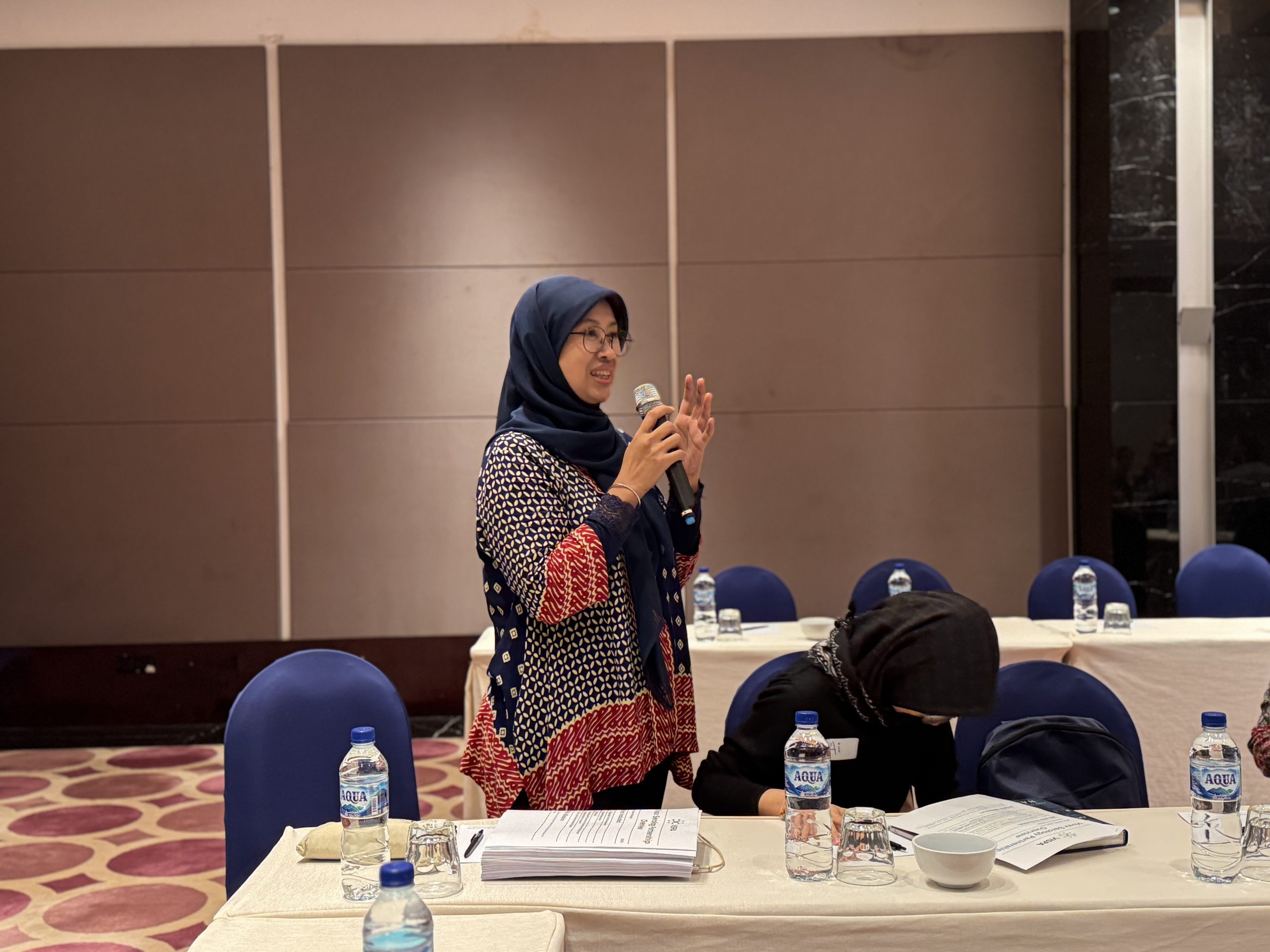
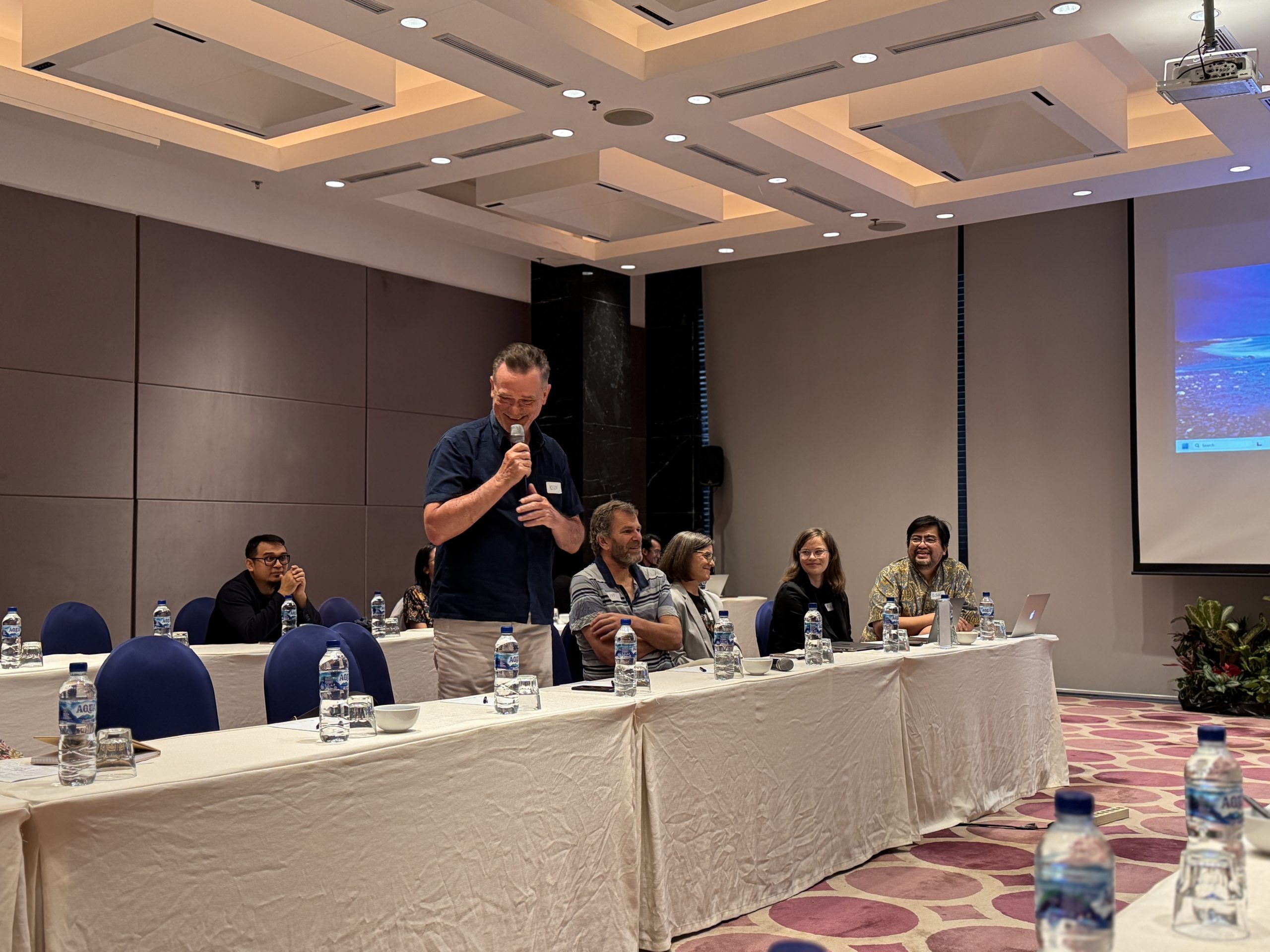
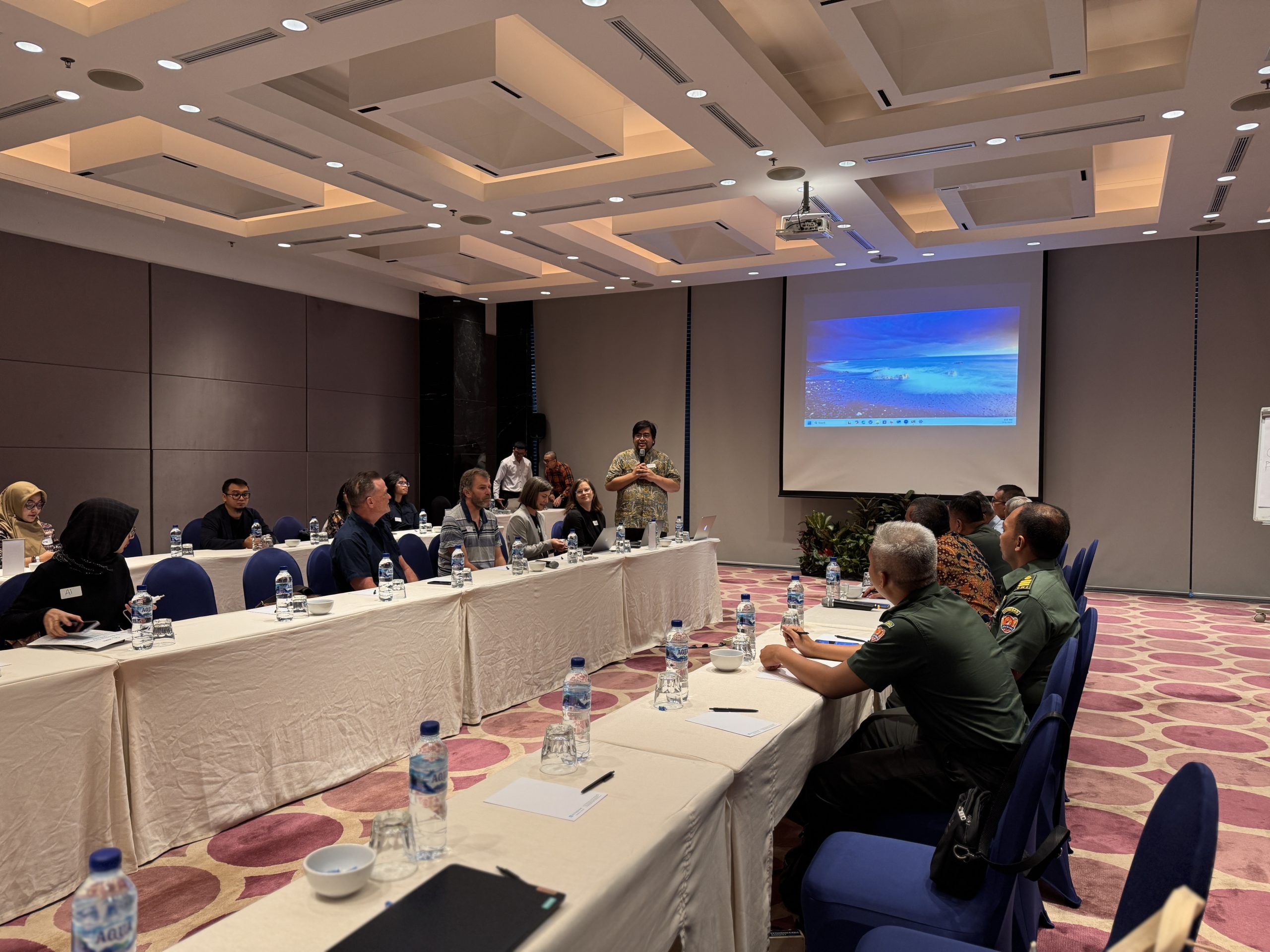
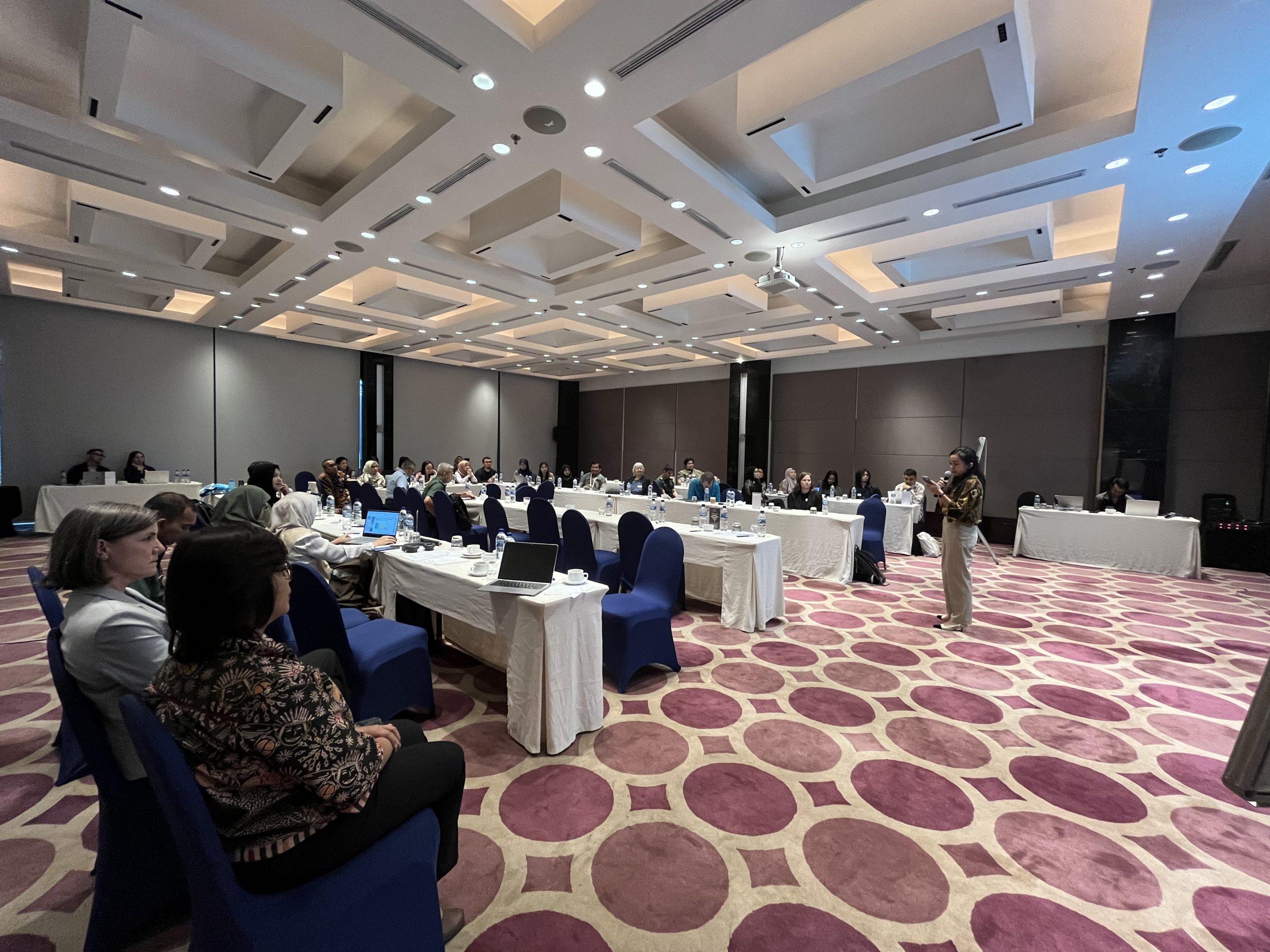
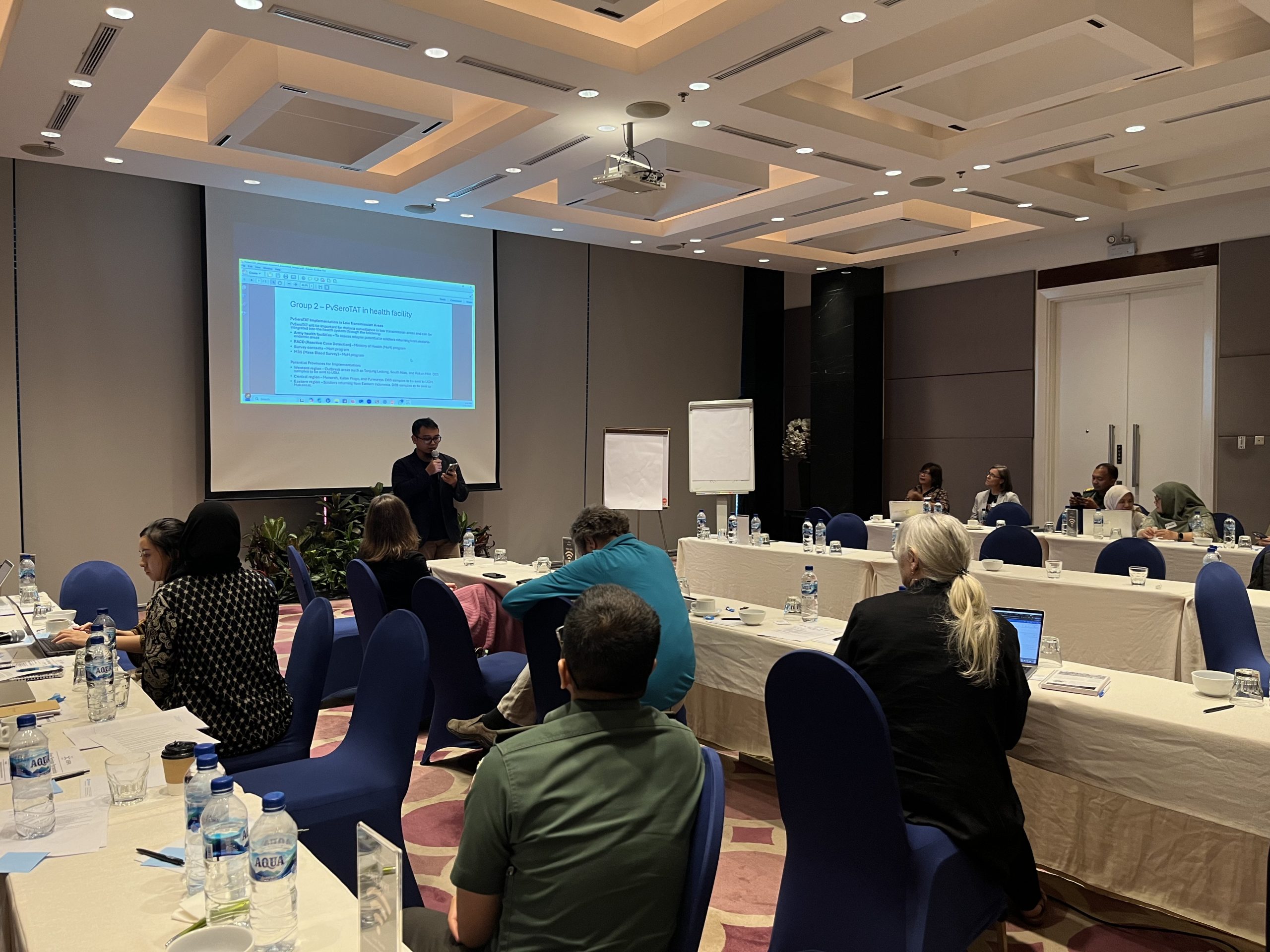
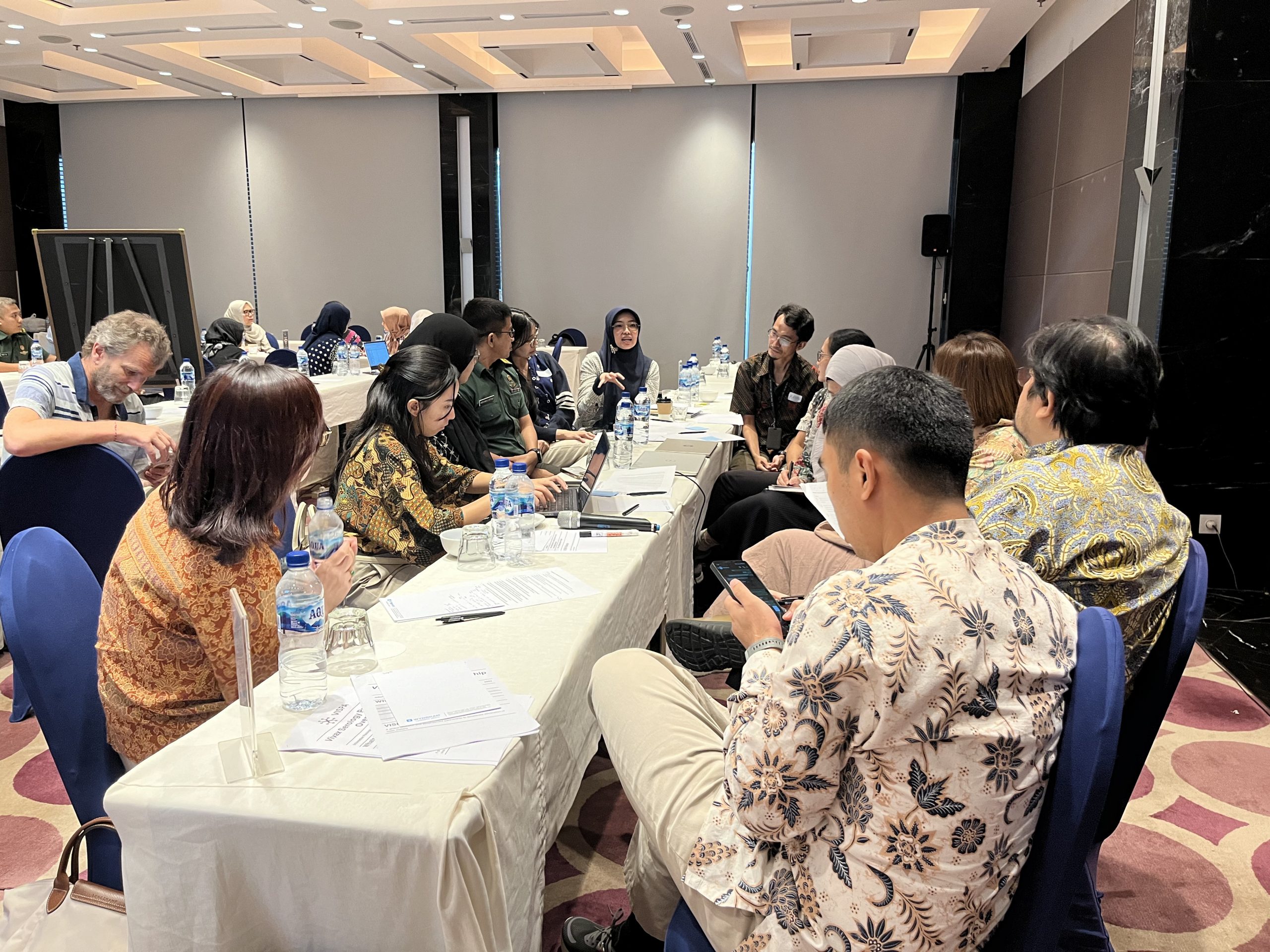
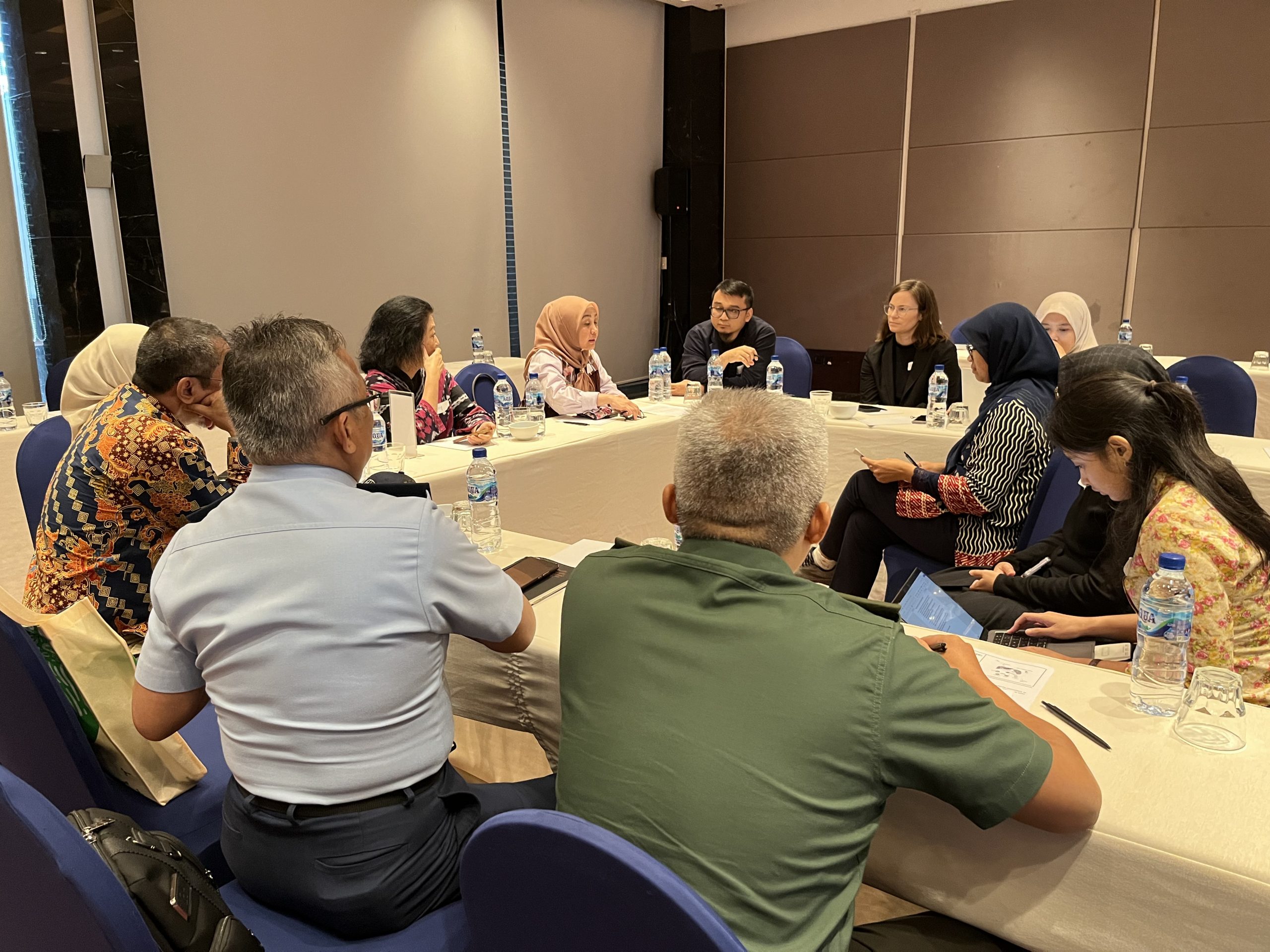
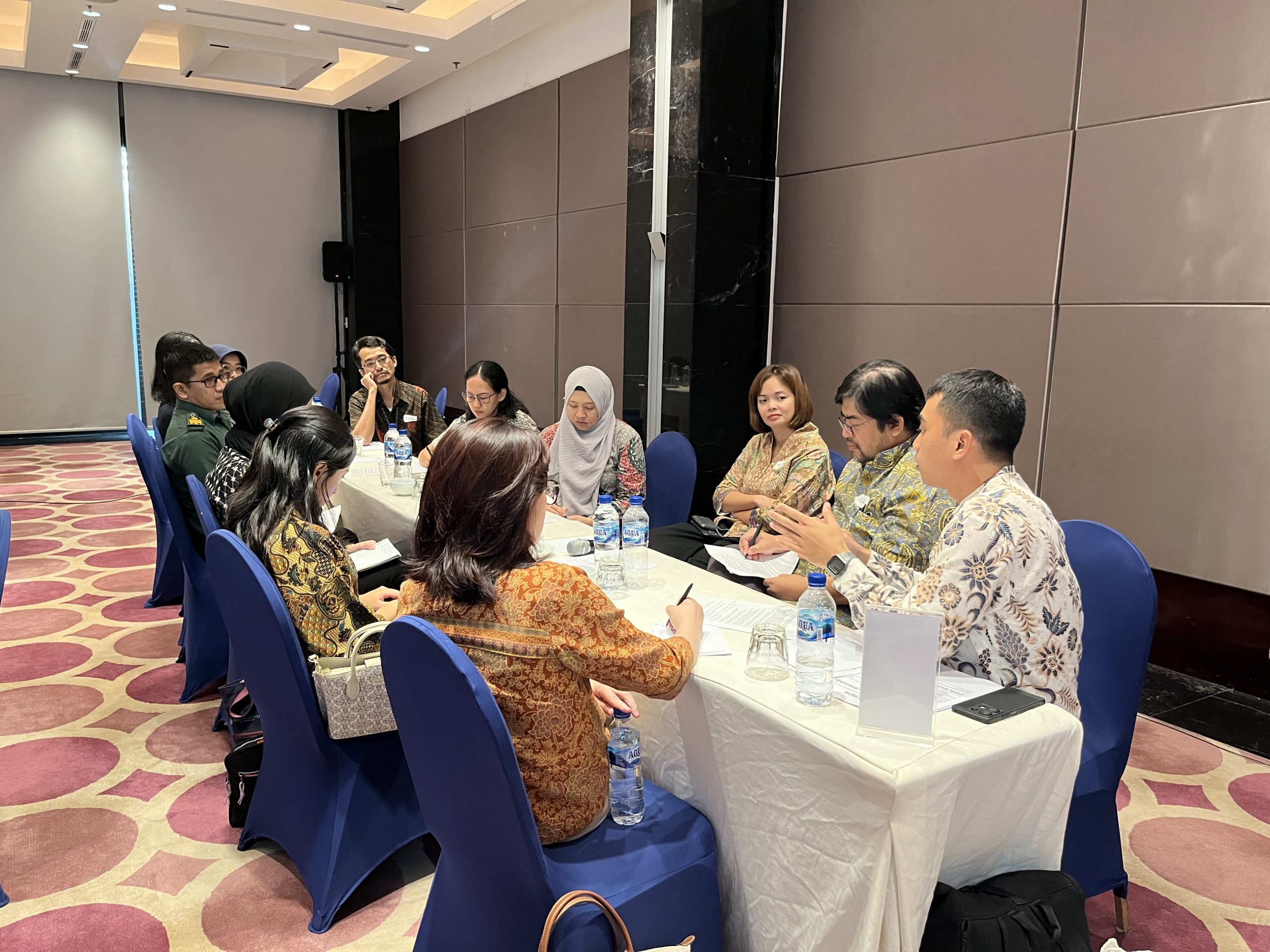
On July 31, 2025, experts, policymakers, and health practitioners gathered in Jakarta for the PvSeroTaT Workshop. Led by Indonesian and international researchers, the event shared the latest evidence from large studies, showing that PvSeroTaT could play a vital role in cutting down P. vivax transmission. The sessions featured in-depth presentations, discussions on implementation, and interactive case studies, all pointing to the same conclusion: PvSeroTaT has strong potential to become part of Indonesia’s national malaria strategy. By the end of the workshop, researchers, doctors, and Ministry of Health representatives agreed to move forward with pilot studies as the next step. The consensus was clear: if successfully rolled out, PvSeroTaT could help Indonesia get much closer to its 2030 elimination target. EHI believes that this innovation will be key to not only ending malaria in Indonesia but also setting an example for the rest of the world.