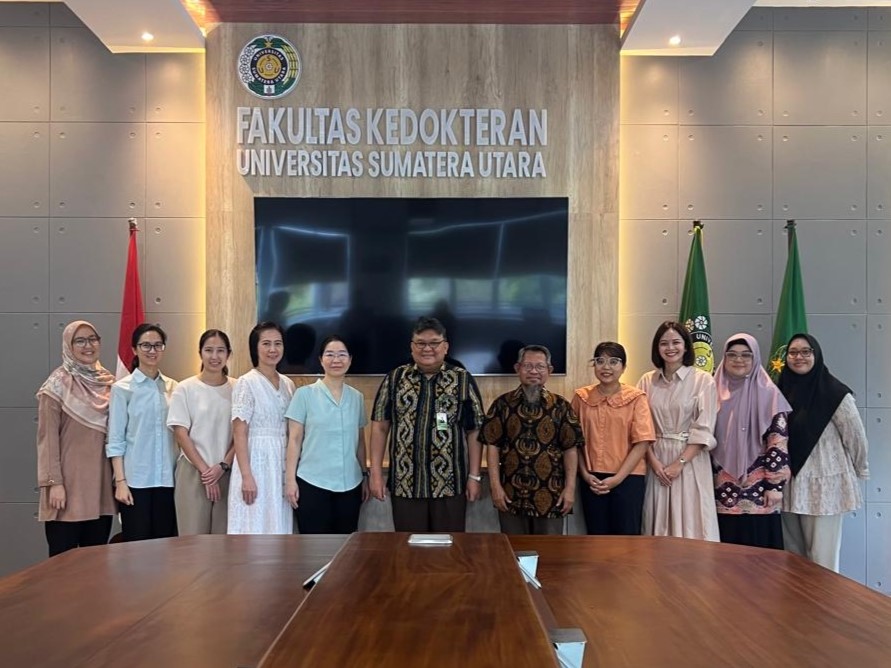
EHI is proud to be collaborating with Menzies Australia and Universitas Sumatera Utara (USU) to be a part of the Evaluating Zoonotic Malaria Transmission and Agricultural Land Use in Indonesia (ZOOMAL) project. This project aims to strengthen malaria zoonosis surveillance in Indonesia, including the disease burden evaluation, farming practices, and mosquito vectors associated with transmission, to inform public health control efforts and sustainable agricultural development. Beyond malaria, the project also addresses rickettsiosis, a zoonotic disease transmitted by arthropods such as fleas, ticks, and mites. Caused by obligate intracellular bacteria from the Rickettsia and Orientia genera, rickettsiosis presents with nonspecific symptoms such as fever, headache, and muscle pain, making it challenging to distinguish from other infectious diseases.
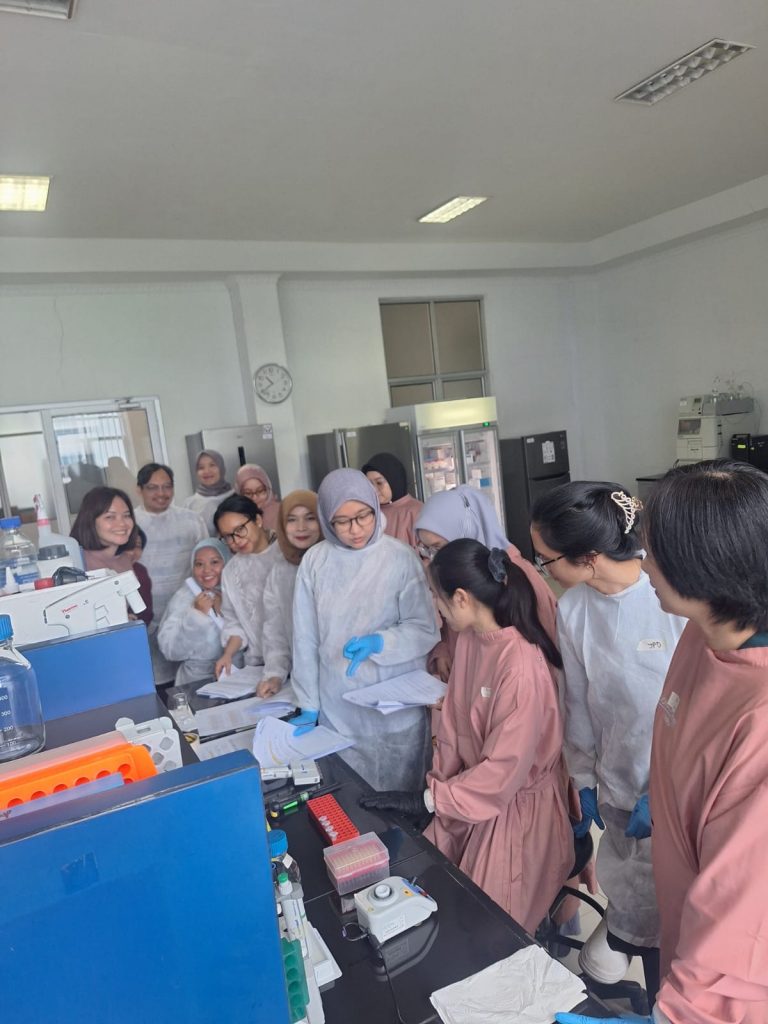
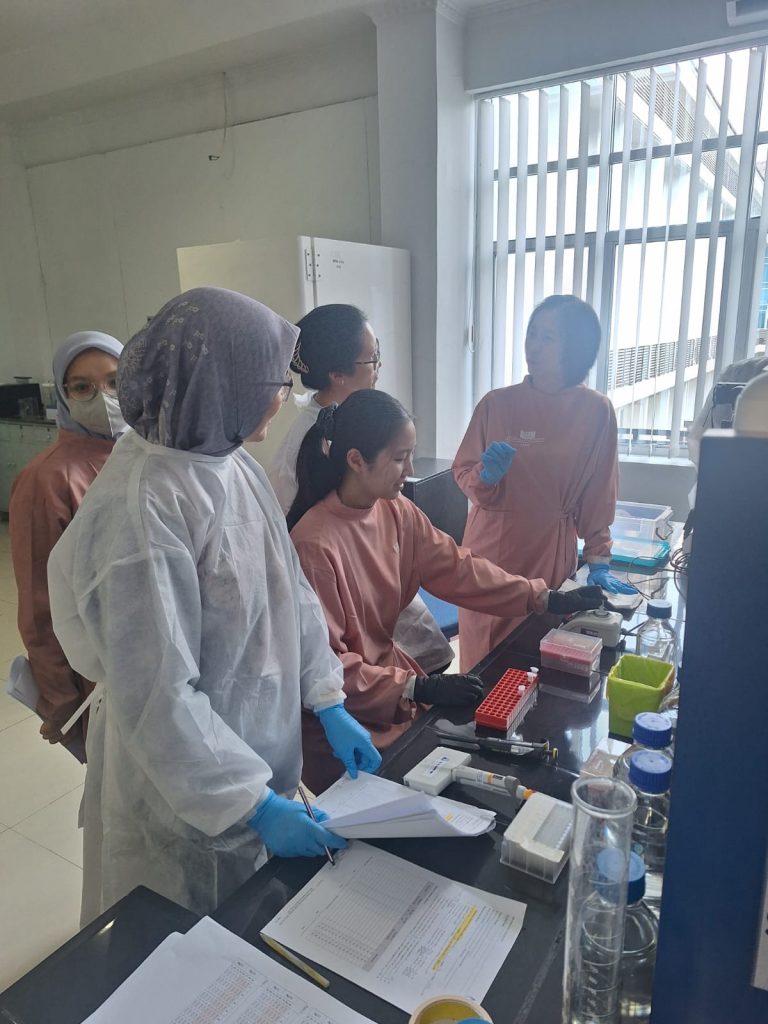
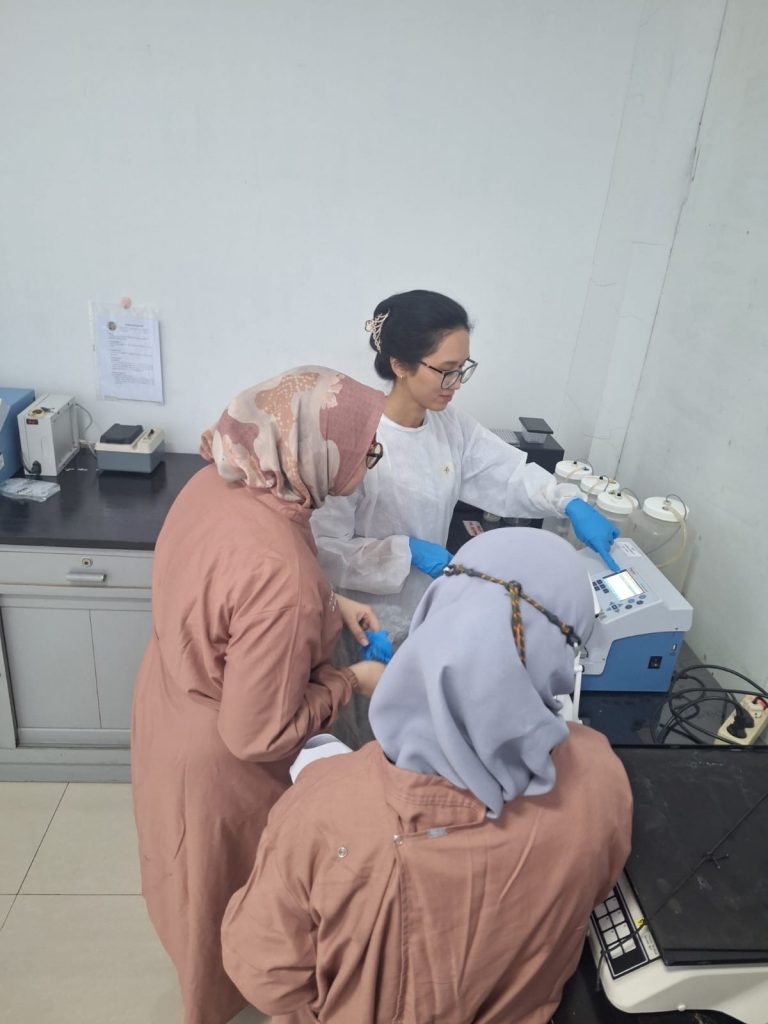
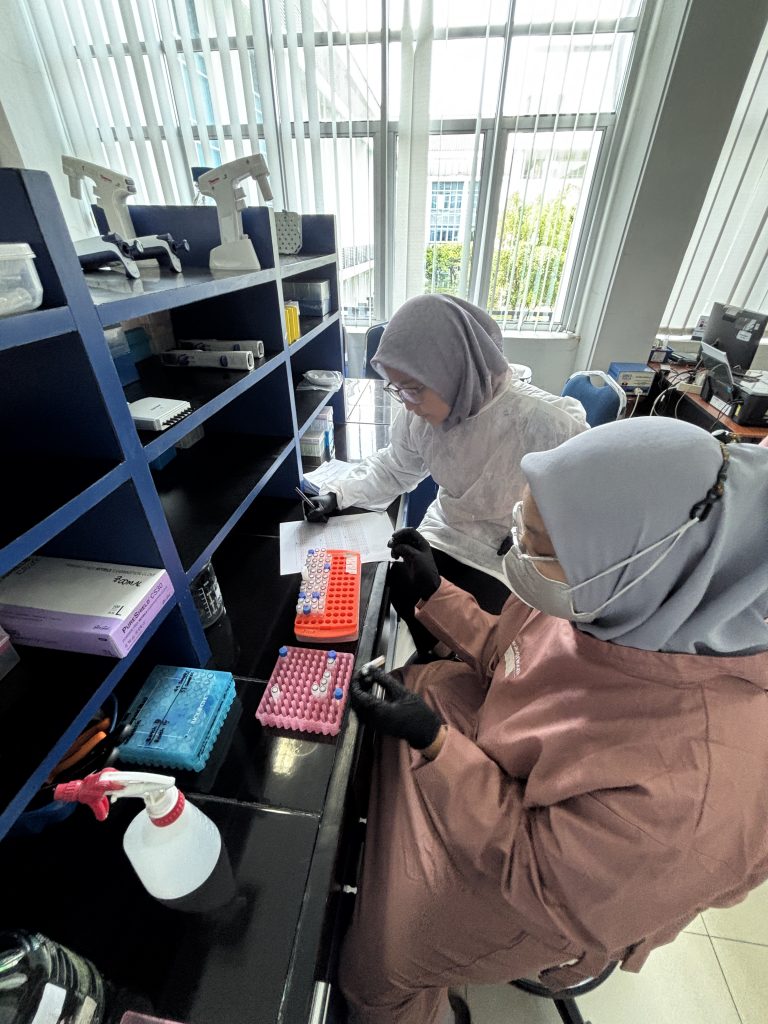
While immunofluorescence assay (IFA) is currently the gold standard for rickettsiosis detection, the diagnosis remains subjective, requires skilled technicians, and is low-throughput. Consequently, ELISA is a practical alternative for detecting Rickettsia antibodies. During the training, EHI’s team was invited to assist the MORU training team in conducting the ELISA for Rickettsia. The training covered understanding rickettsiosis, the principles of ELISA, and the practical procedures for conducting the tests. Participants were taught to perform the steps of ELISA, troubleshoot common issues, and analyze and interpret results.
Through this collaboration, EHI is not only advancing its malaria research efforts but also contributing to the broader understanding of zoonotic diseases, which are increasingly important in regions with significant agricultural activity and changing ecosystems. The ZOOMAL project represents a vital step toward improving public health surveillance and control strategies for zoonotic diseases in Indonesia.