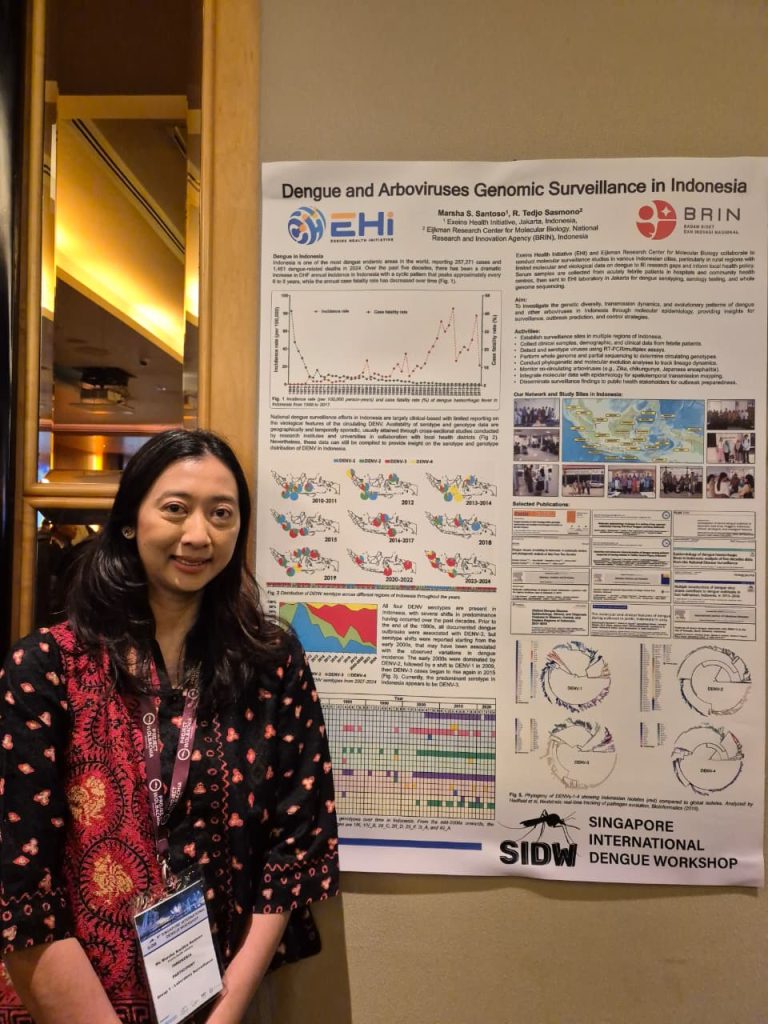
Dengue continues to pose serious challenges to health systems and threatens lives across many tropical and subtropical regions. Addressing this issue requires a coordinated approach involving healthcare workers, government officials, environmental agencies, researchers, and communities. Hence, to support these efforts, the 9th Singapore International Dengue Workshop (SIDW) was held this year as part of the Global Virus Initiative, aligning with major international strategies for dengue prevention and control, including those endorsed by the World Health Organization (WHO). The workshop was jointly sponsored by Singapore’s Ministry of Foreign Affairs, the National Environment Agency, and the WHO.
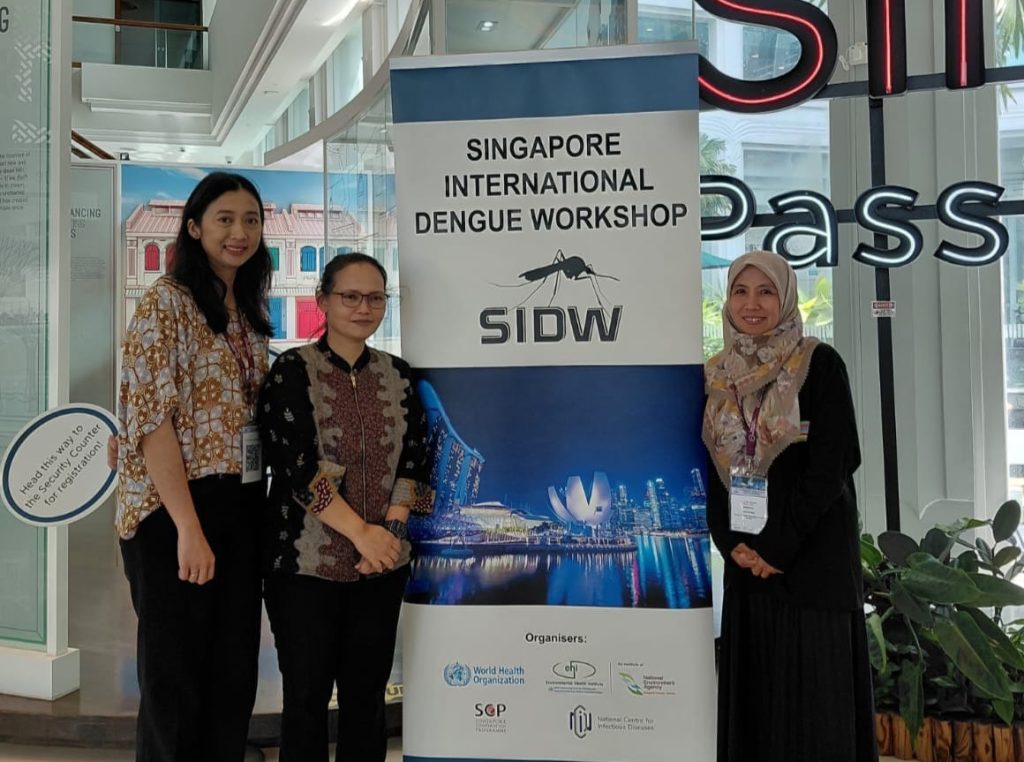
Held from 4–13 November 2025 across several venues in Singapore, the program brought together 66 participants from 37 countries. SIDW offered a comprehensive learning experience that linked laboratory diagnostics, clinical management, and vector control. Beyond learning how to respond effectively once dengue outbreaks occur, participants were also trained in strategies for early detection, surveillance, and preparation to help prevent outbreaks before they happen. Through plenary sessions, group discussions, hands-on practice, case studies, and field visits, attendees strengthened their ability to monitor dengue risks and build proactive response systems. Marsha Santoso from EHI joined the training, further contributing to EHI’s commitment to improving dengue preparedness and control.
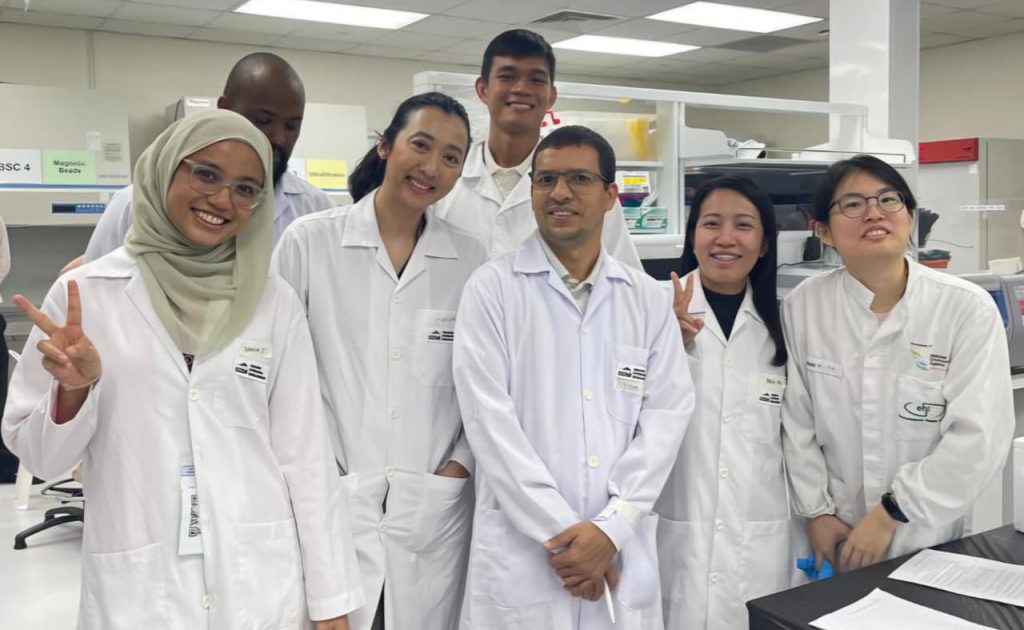
Participants completed the workshop with a strong post-test score of 96%, reflecting the program’s high impact. They gained valuable insights from experts on country-specific needs, along with additional training in mosquito species identification, data analysis, and surveillance approaches. EHI believes that stronger collaboration and shared expertise across countries are key to reducing the burden of dengue and protecting communities worldwide.